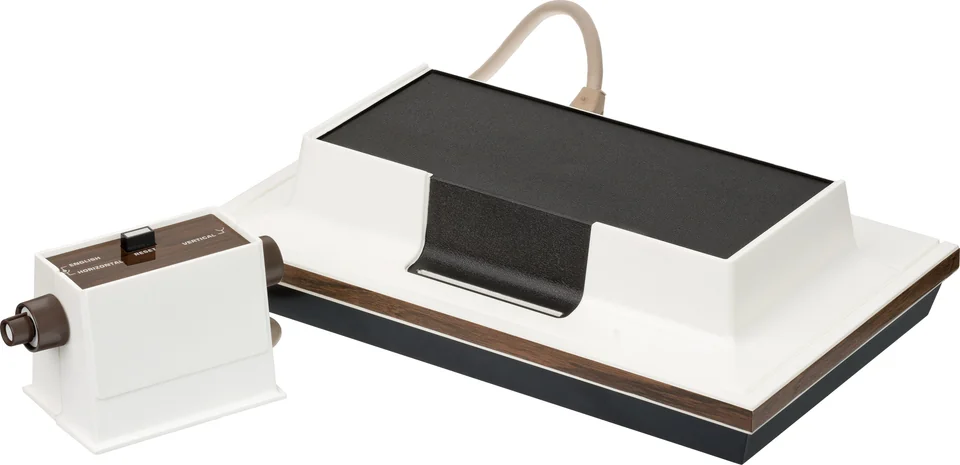
? ? ?Magnavox · 1972
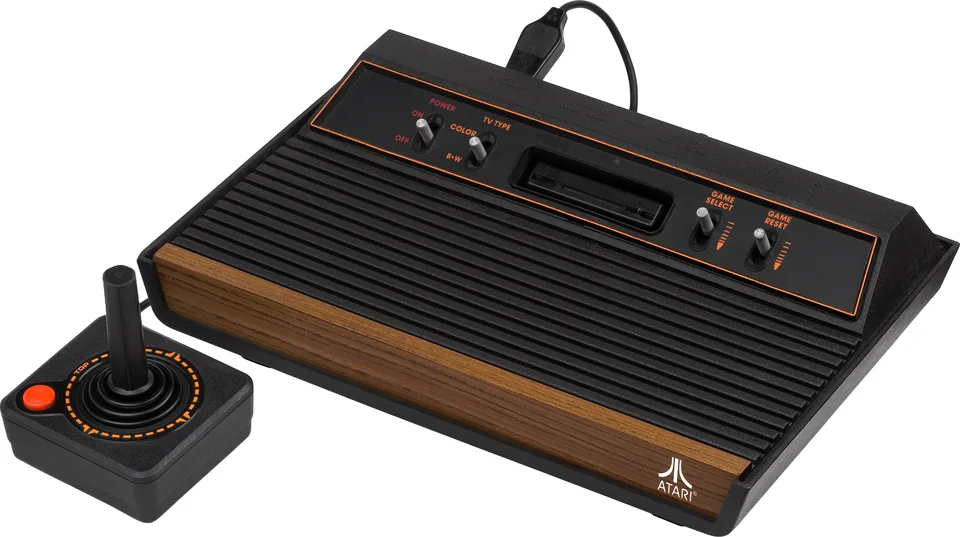
? ? ?Atari · 1977
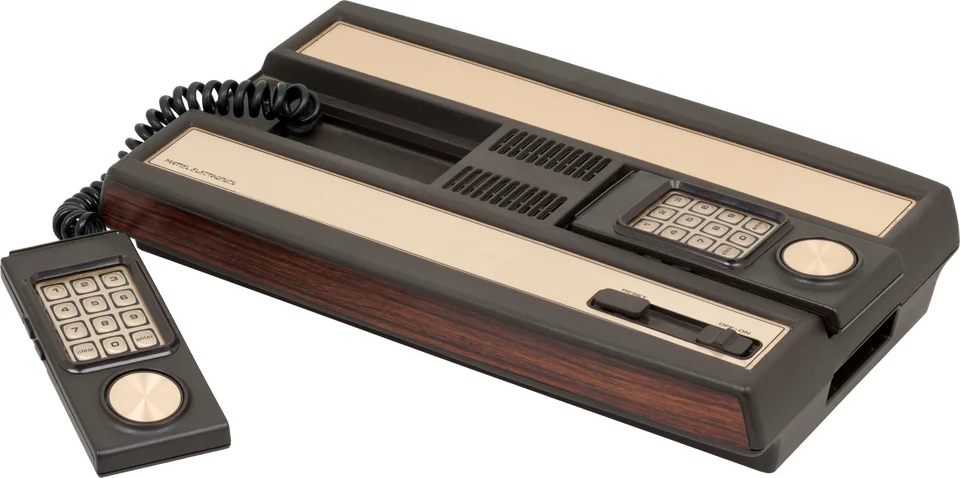
? ? ?Mattel · 1979
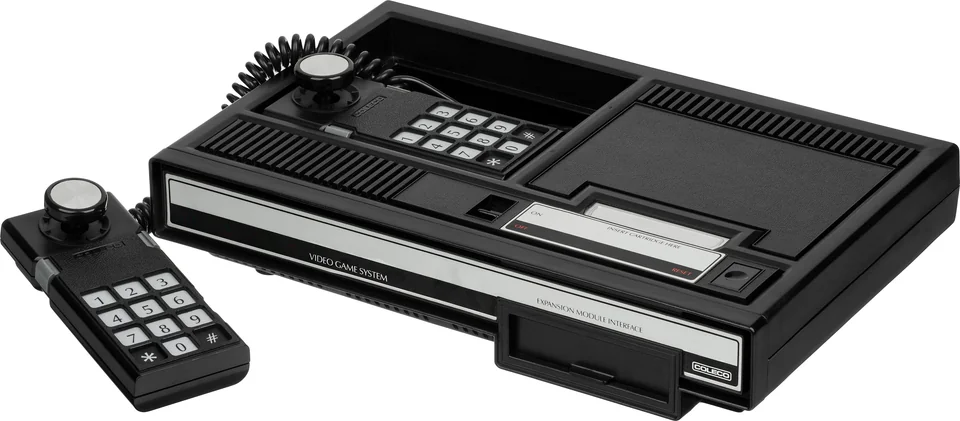
? ? ?Coleco · 1982
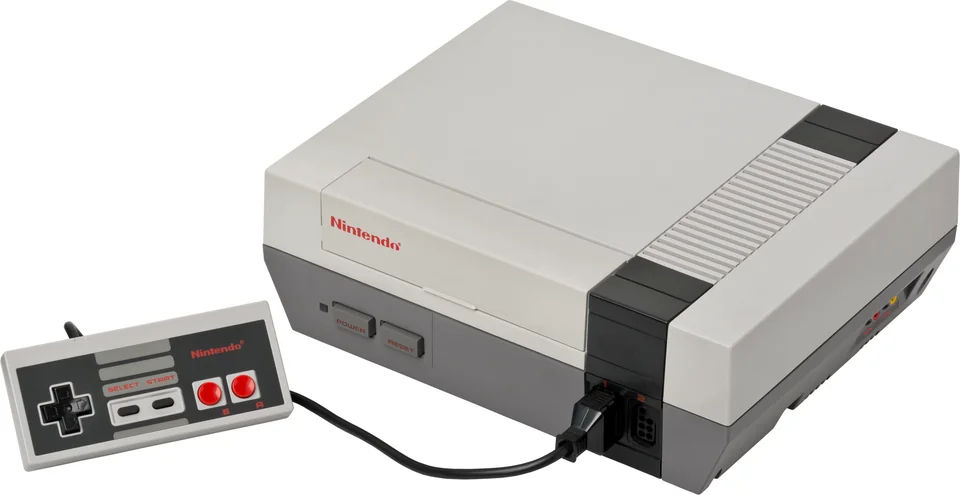
? ? ?Nintendo · 1983
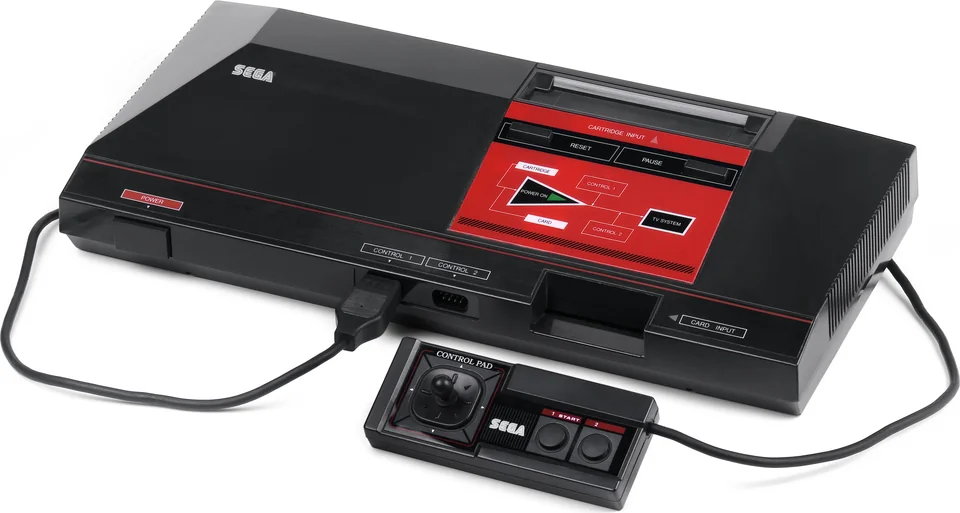
? ? ?Sega · 1985
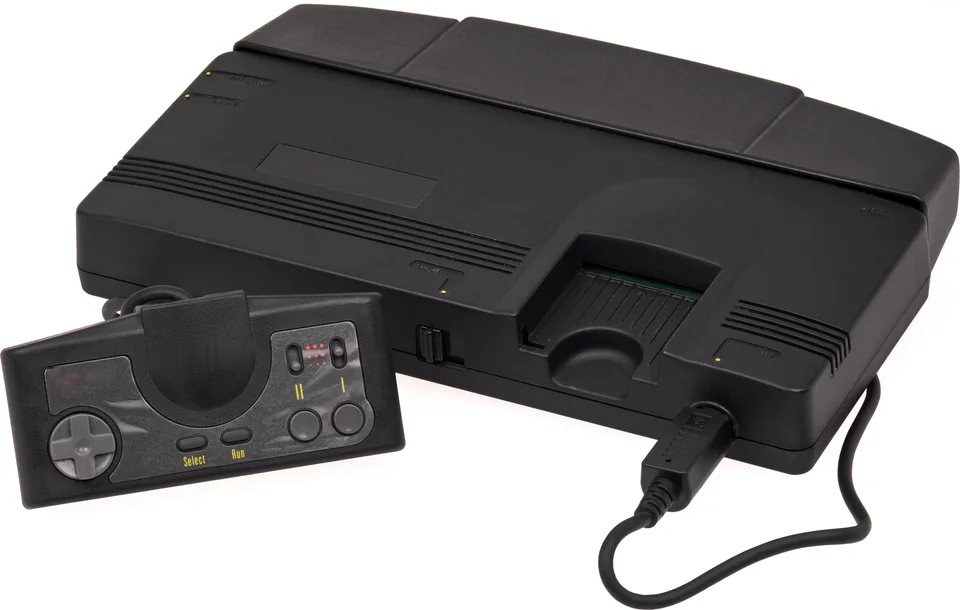
? ? ?NEC · 1987
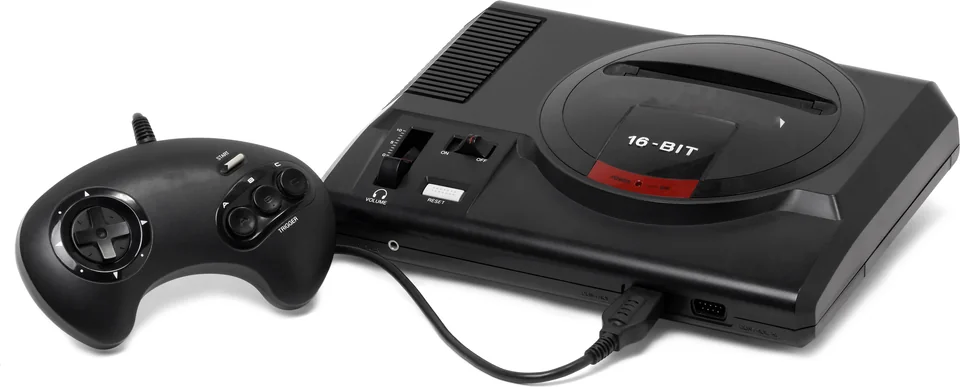
? ? ?Sega · 1988
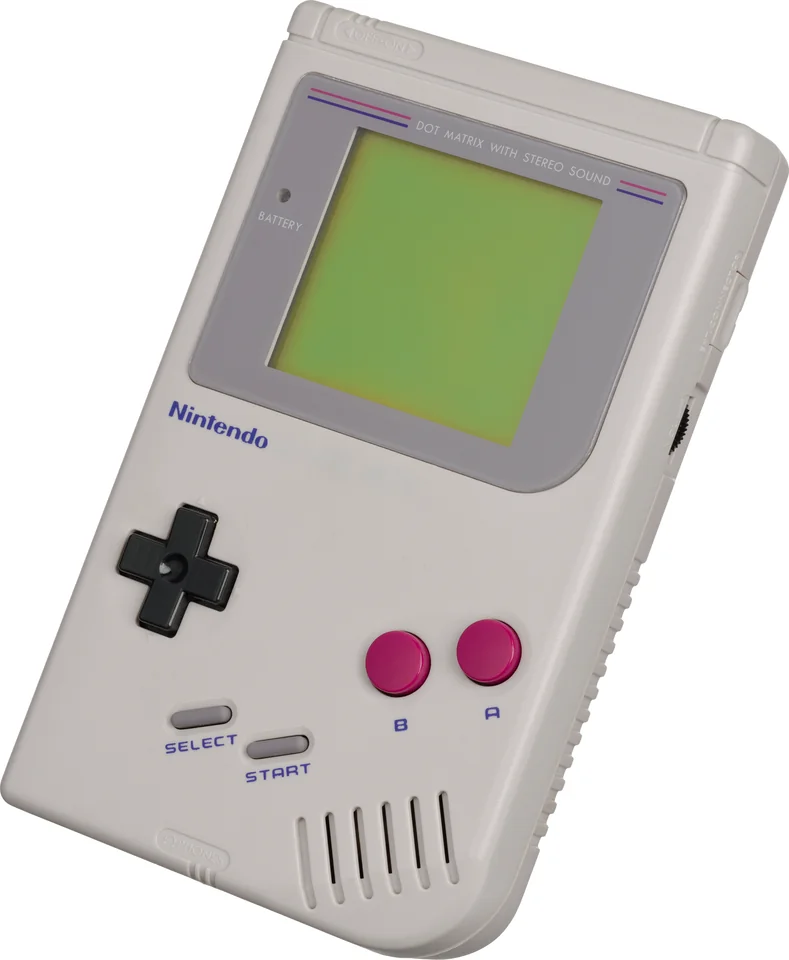
? ? ?Nintendo · 1989
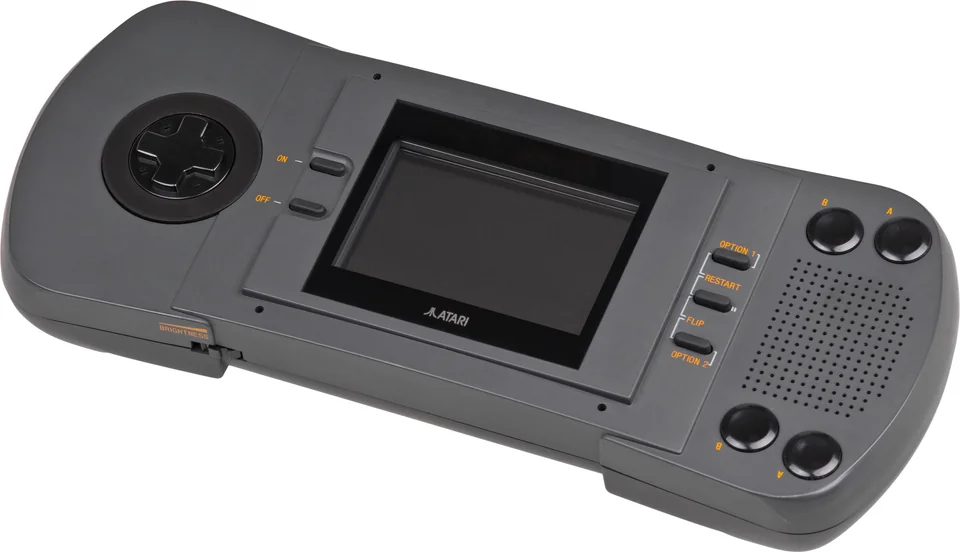
? ? ?Atari · 1989
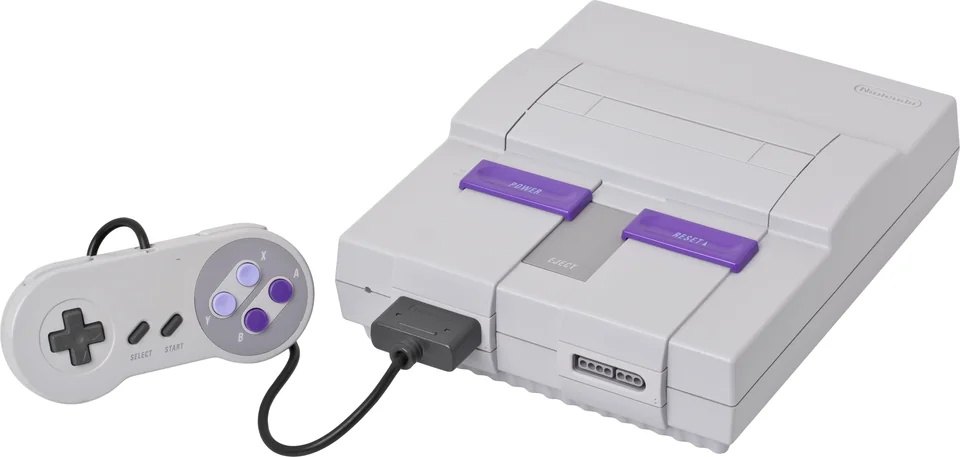
? ? ?Nintendo · 1990
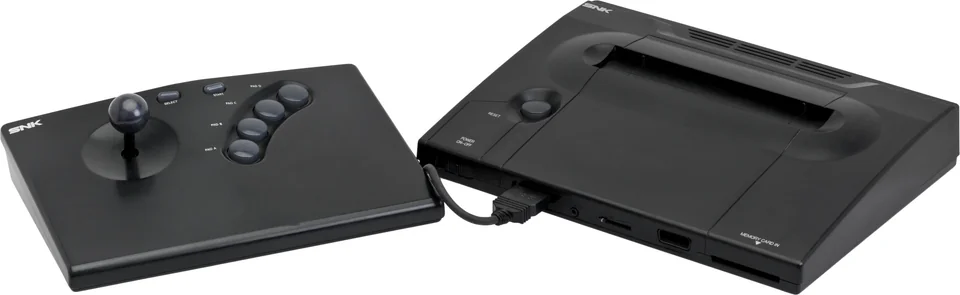
? ? ?SNK · 1990
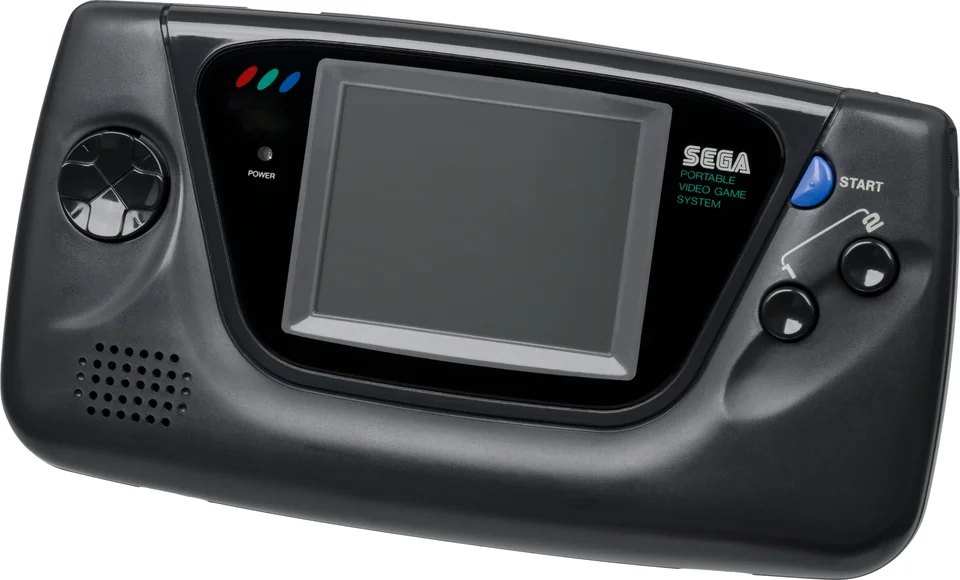
? ? ?Sega · 1990
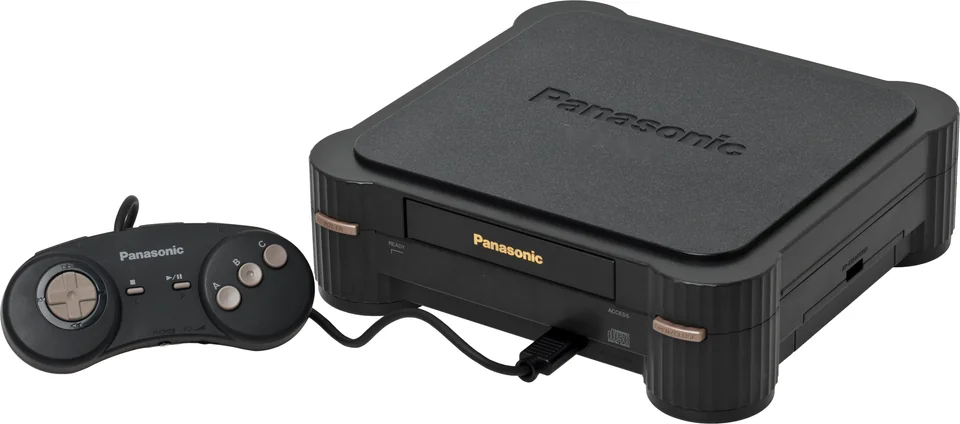
? ? ?Panasonic · 1993
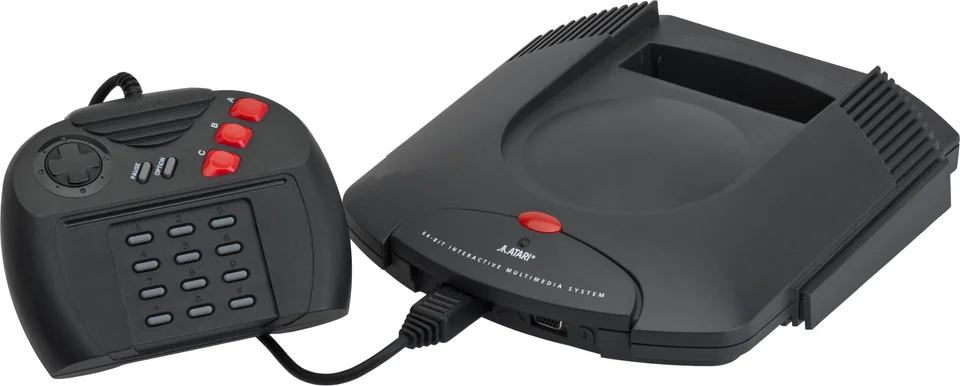
? ? ?Atari · 1993
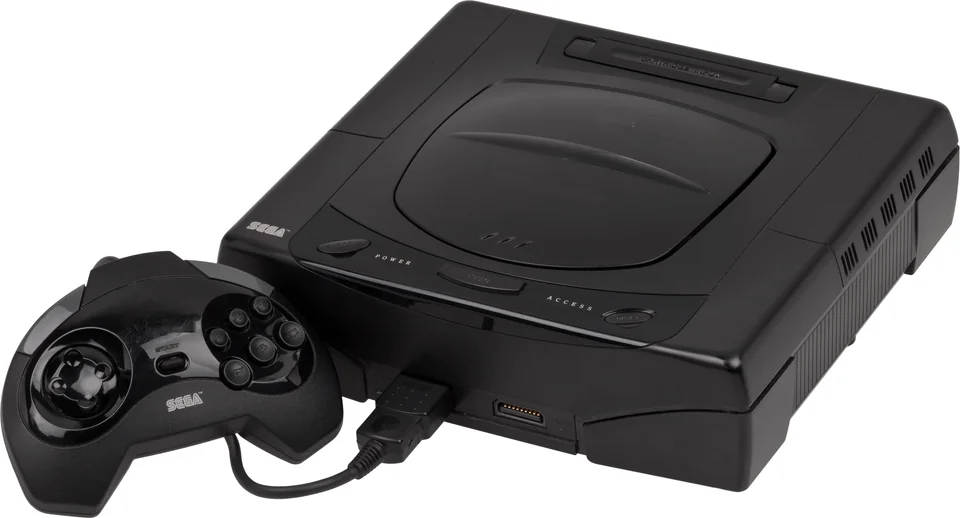
? ? ?Sega · 1994
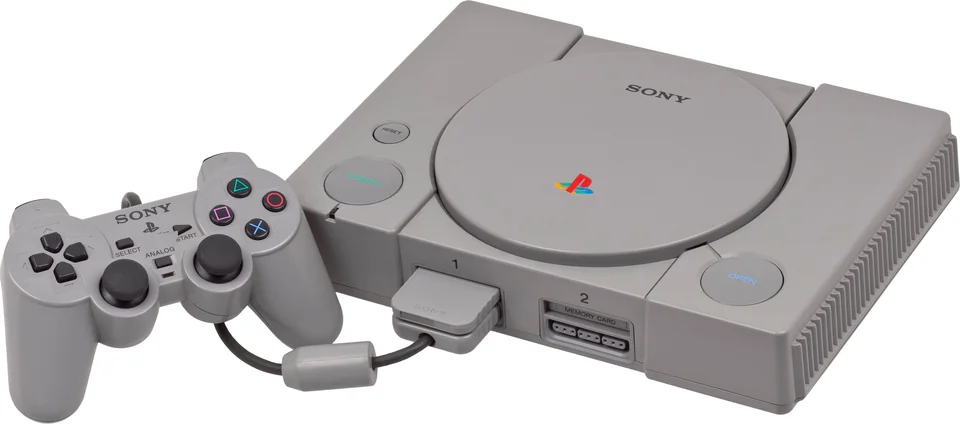
? ? ?Sony · 1994
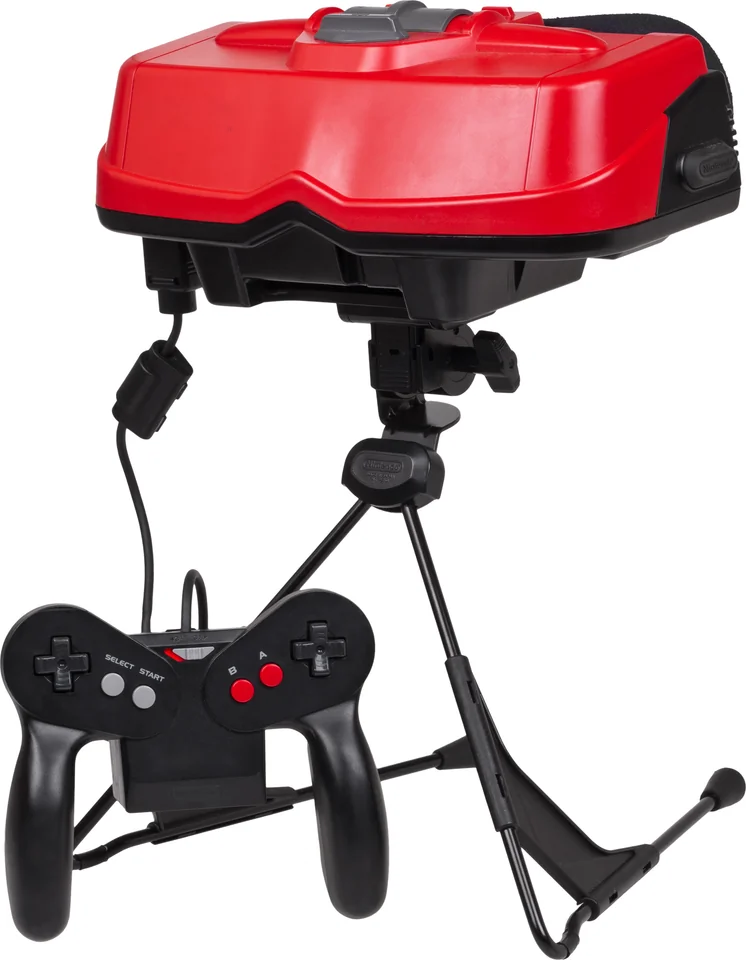
? ? ?Nintendo · 1995
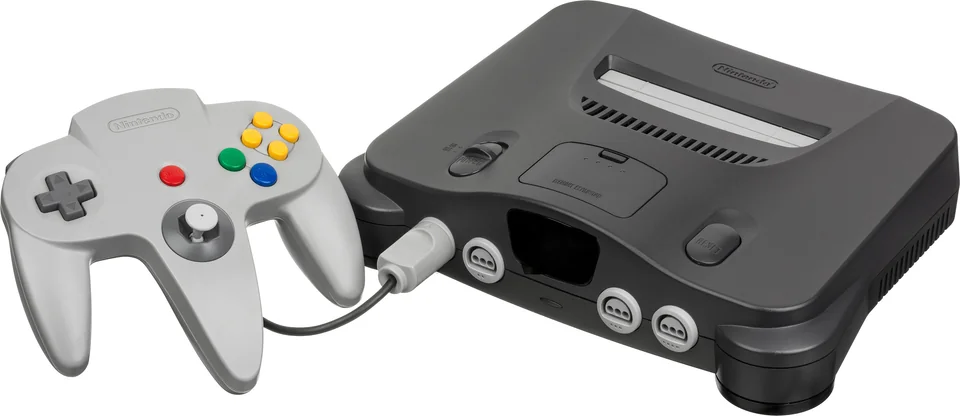
? ? ?Nintendo · 1996
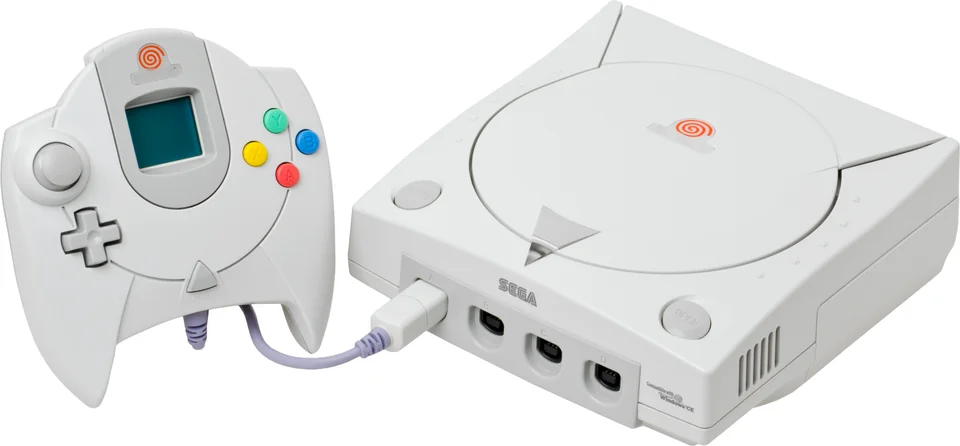
? ? ?Sega · 1998
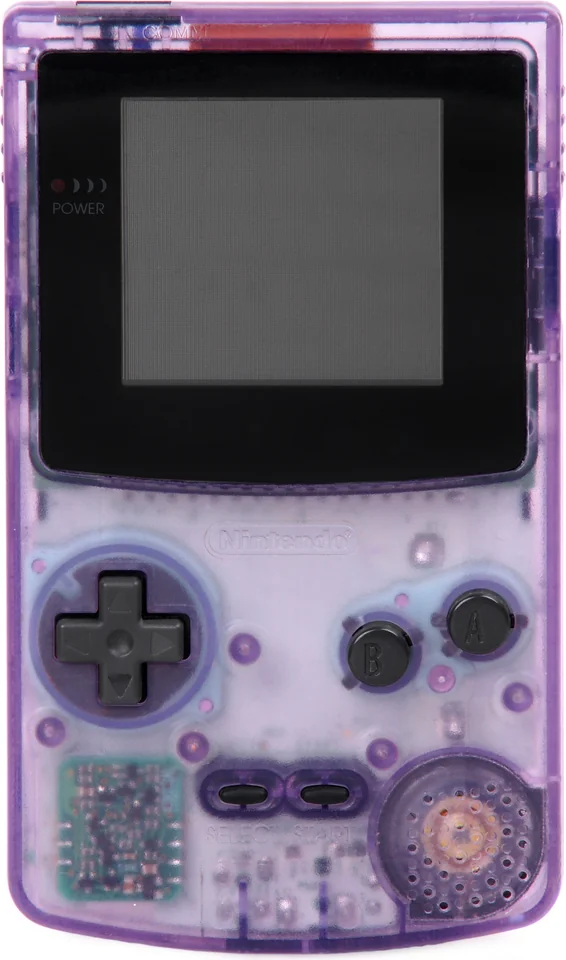
? ? ?Nintendo · 1998
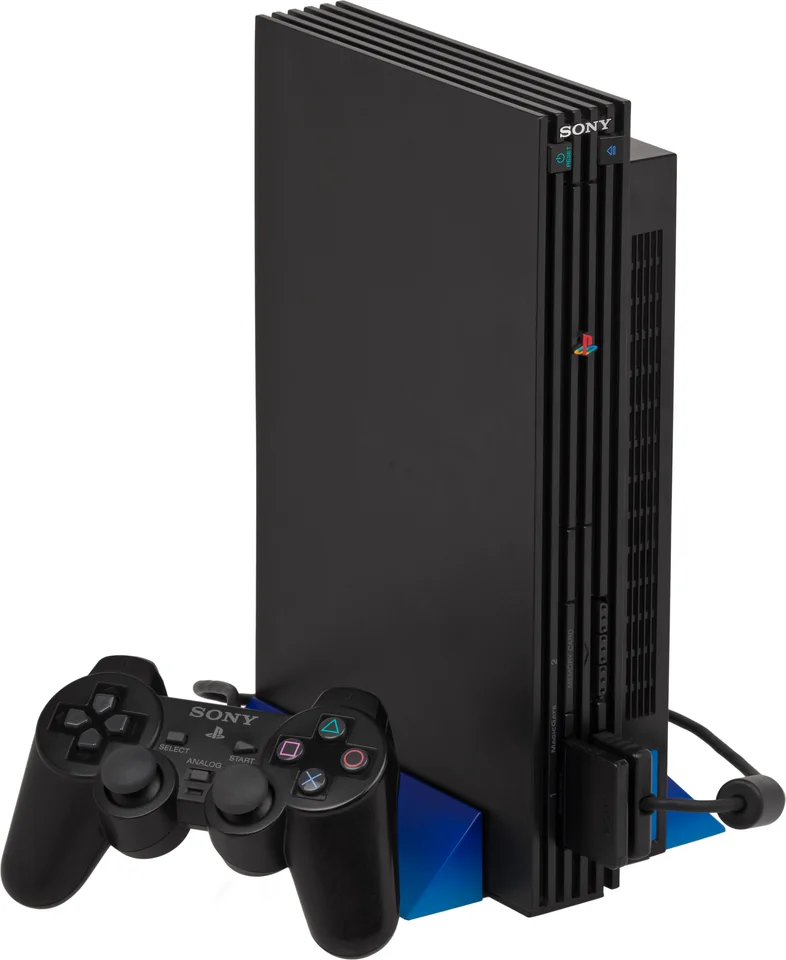
? ? ?Sony · 2000
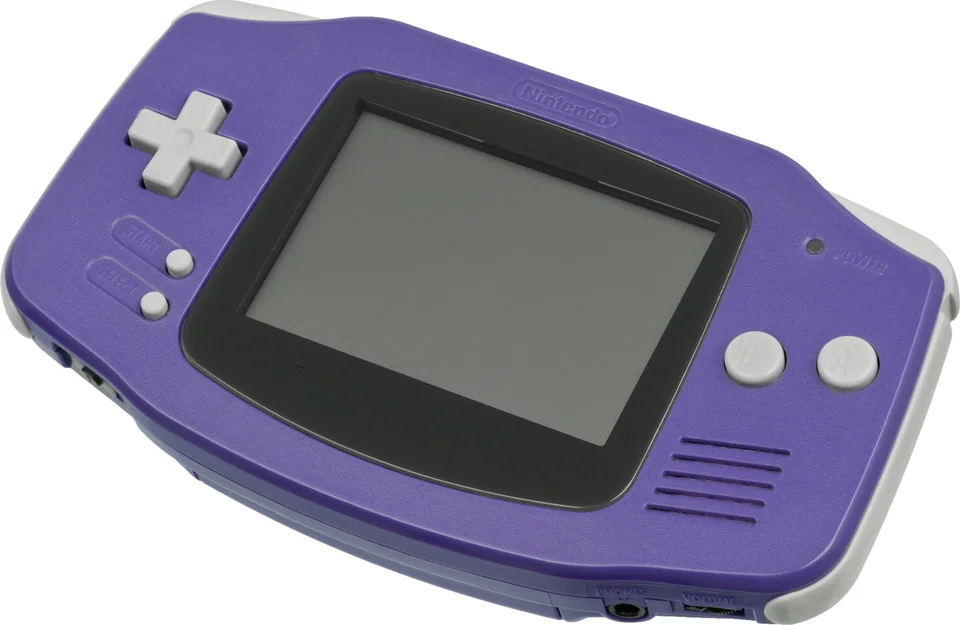
? ? ?Nintendo · 2001
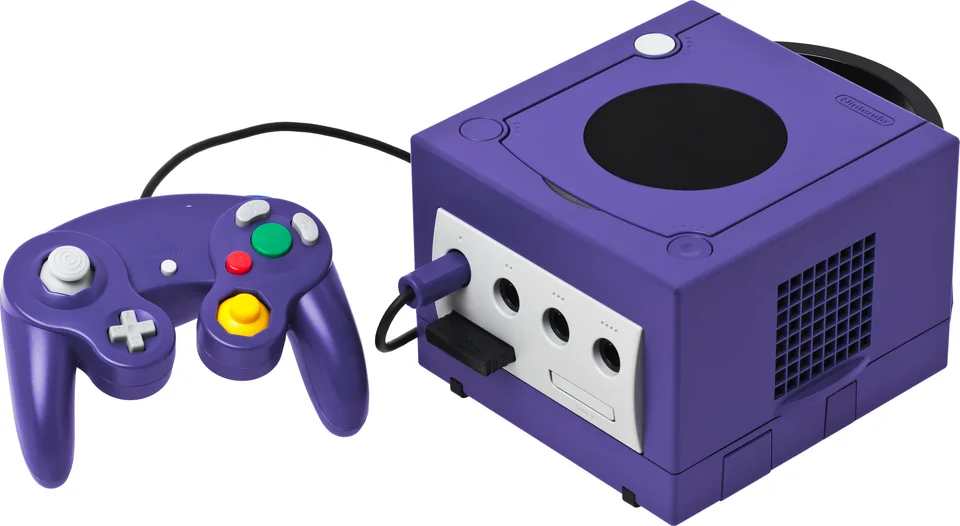
? ? ?Nintendo · 2001
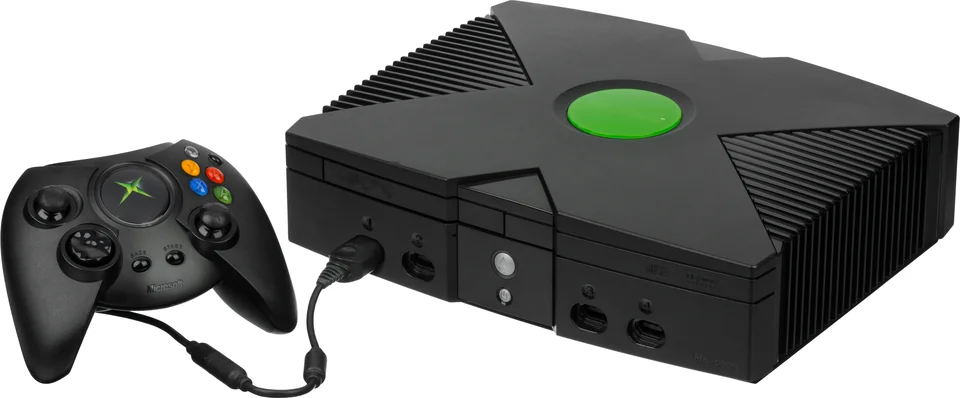
? ? ?Microsoft · 2001
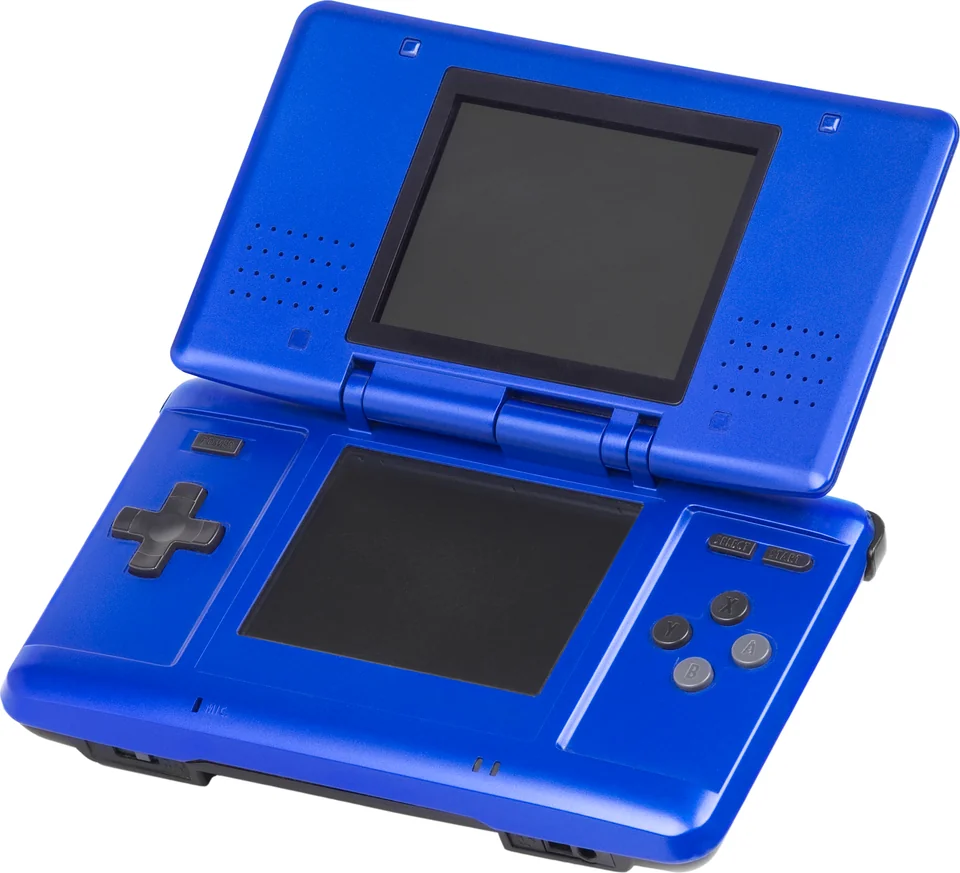
? ? ?Nintendo · 2004
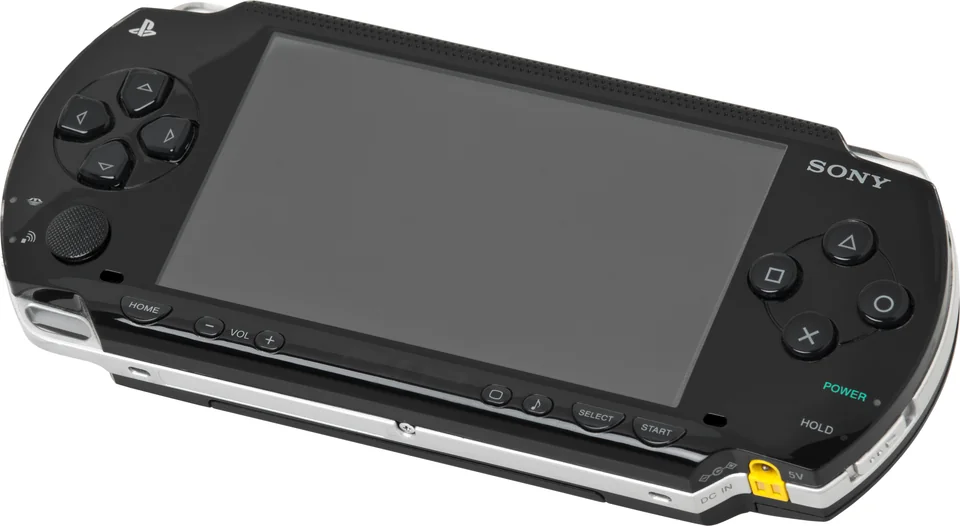
? ? ?Sony · 2004
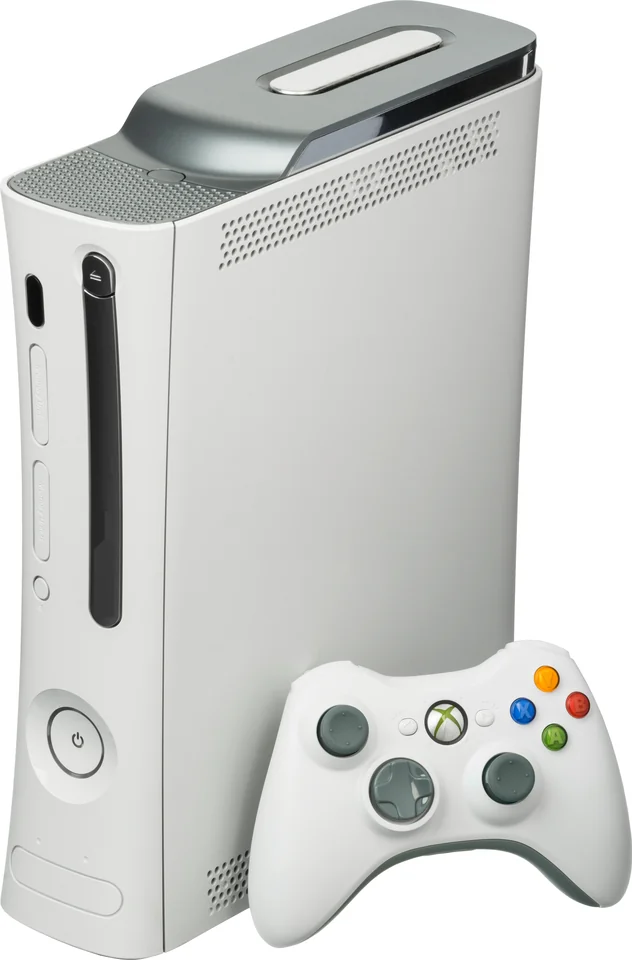
? ? ?Microsoft · 2005
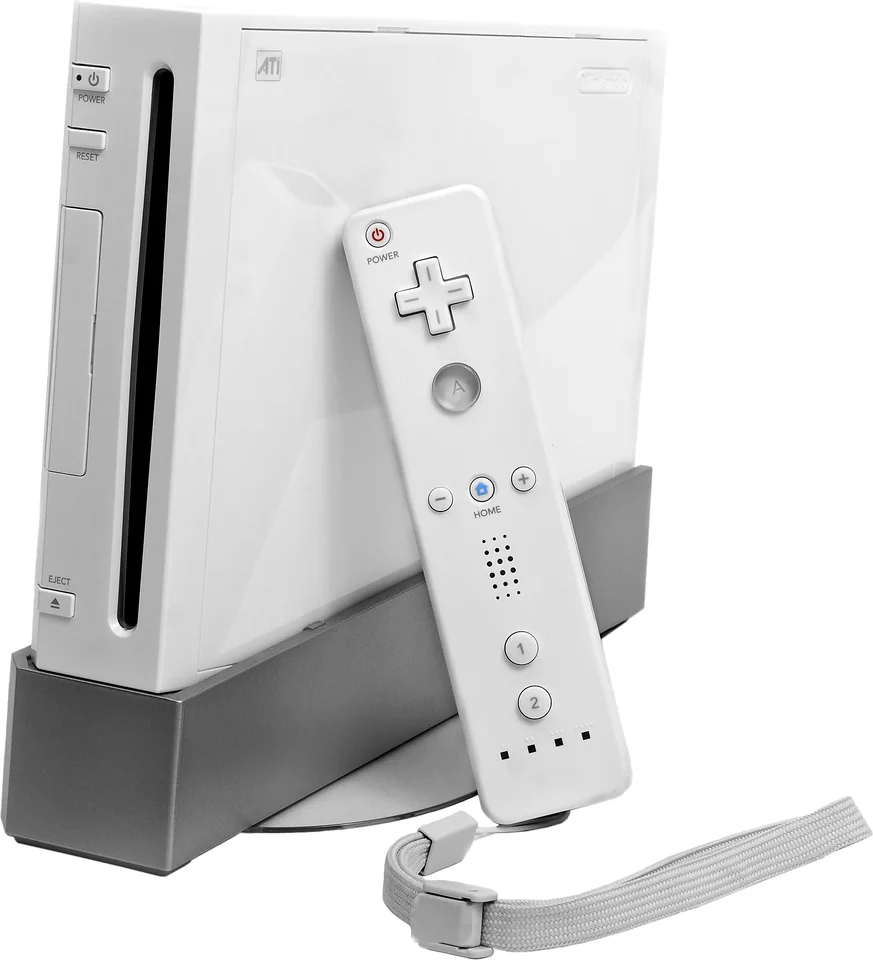
? ? ?Nintendo · 2006
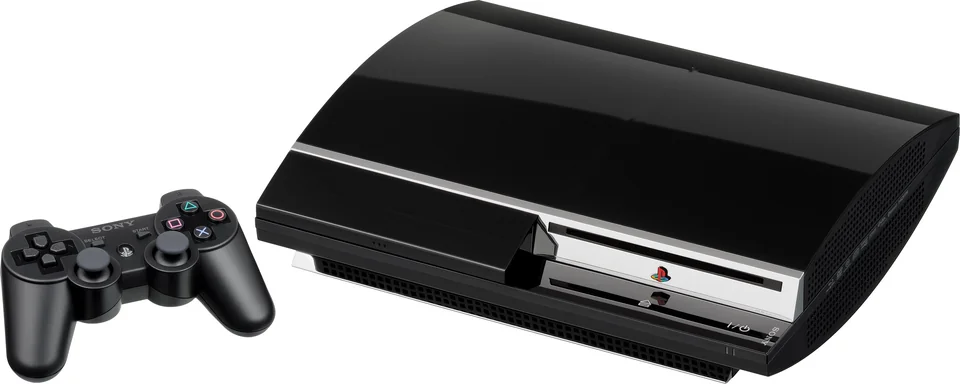
? ? ?Sony · 2006
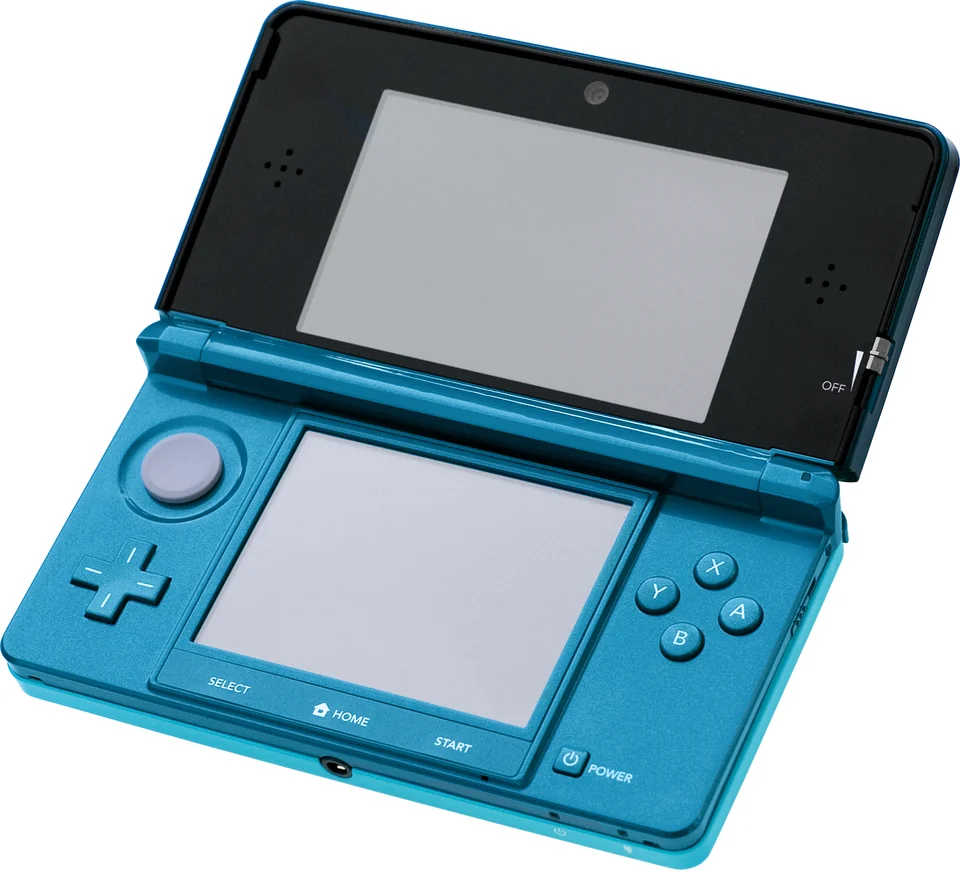
? ? ?Nintendo · 2011
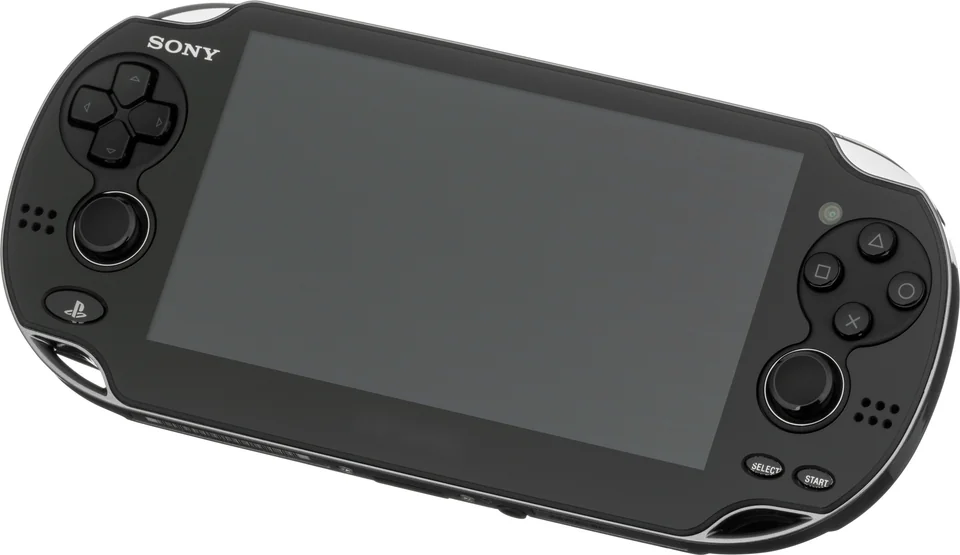
? ? ?Sony · 2011
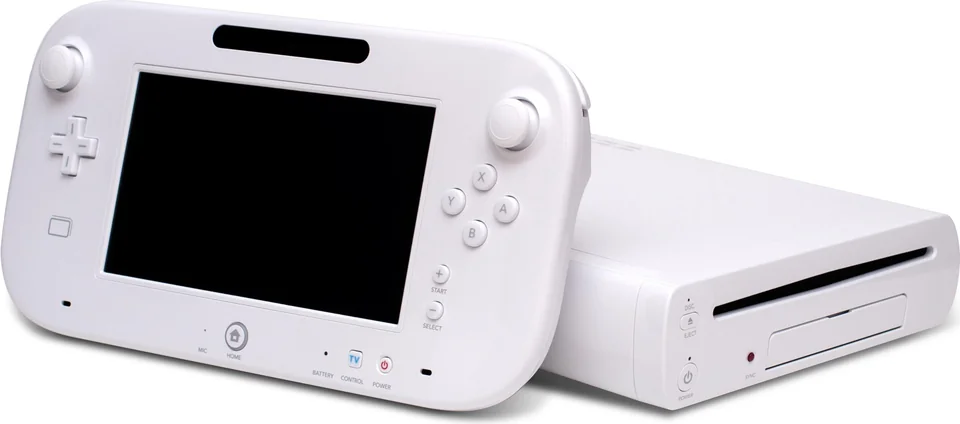
? ? ?Nintendo · 2012
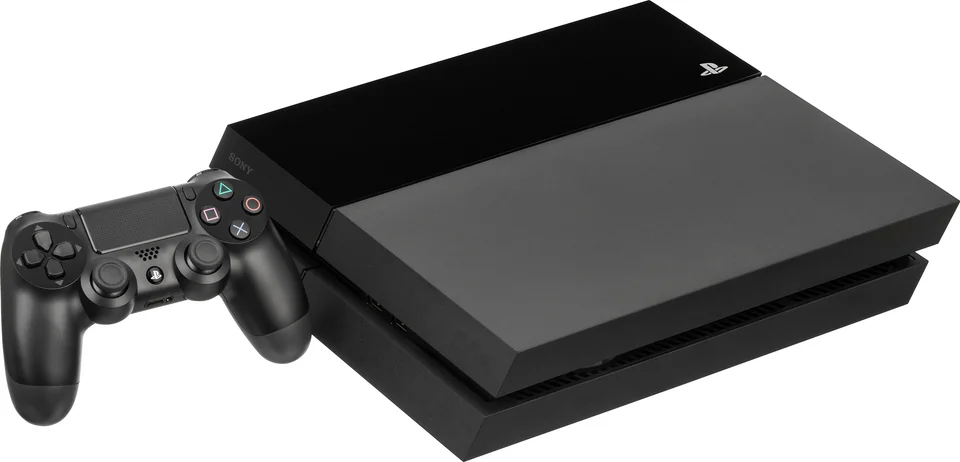
? ? ?Sony · 2013
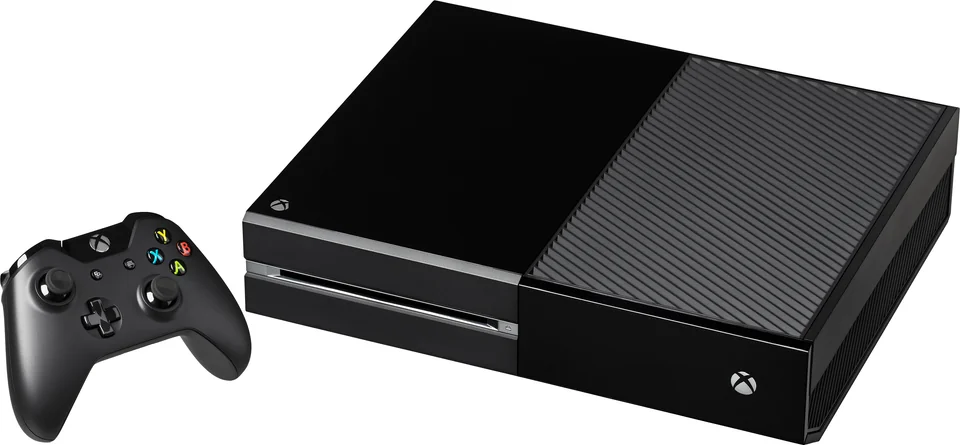
? ? ?Microsoft · 2013
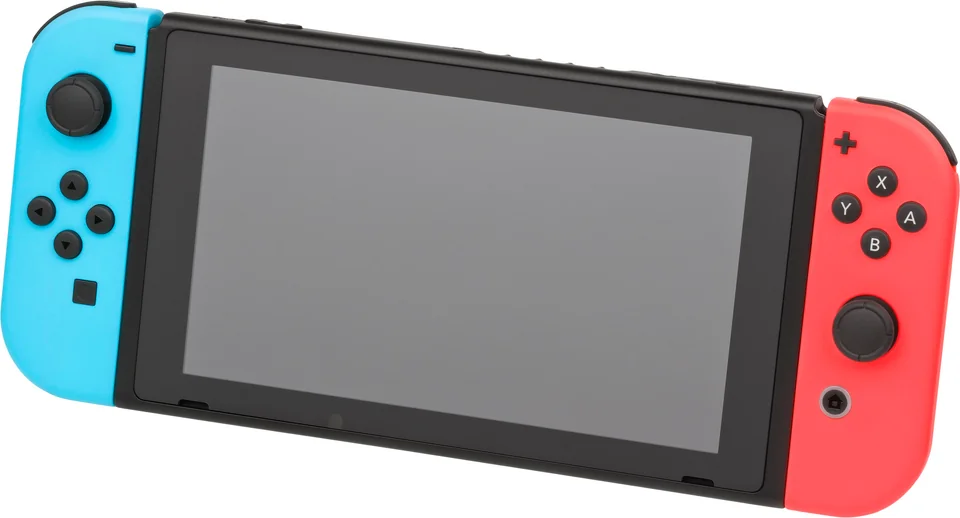
? ? ?Nintendo · 2017
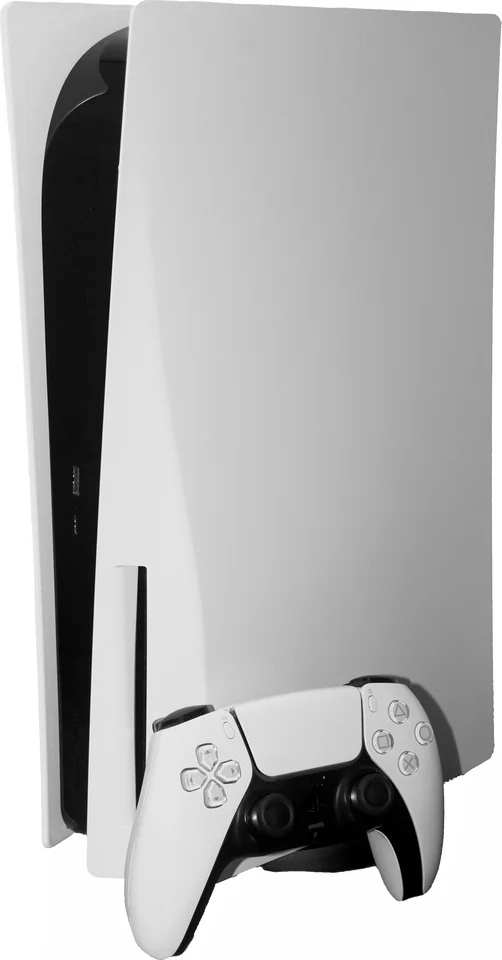
? ? ?Sony · 2020
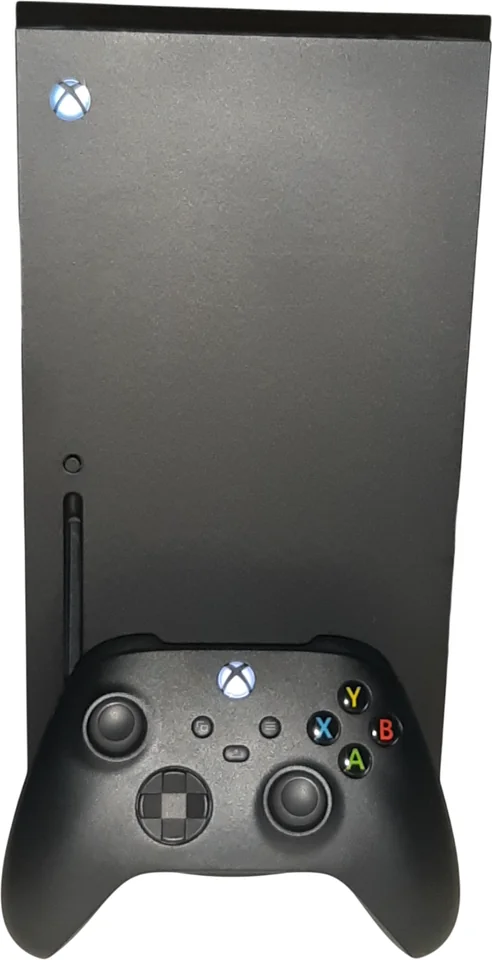
? ? ?Microsoft · 2020
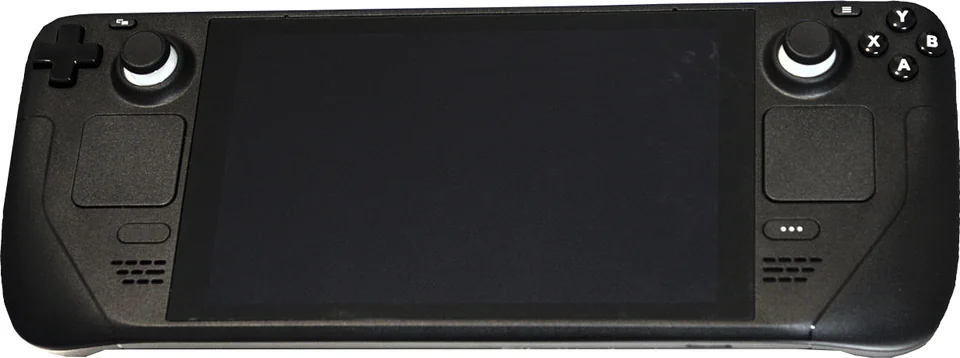
? ? ?Valve · 2022
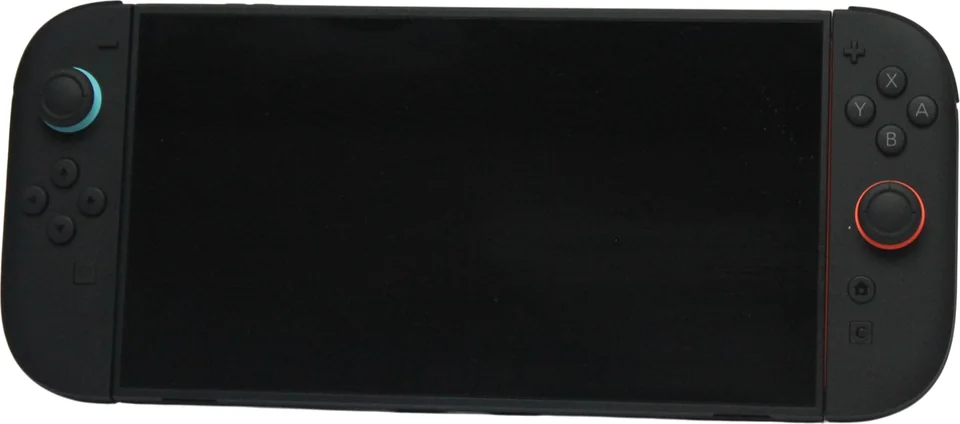
? ? ?Nintendo · 2025
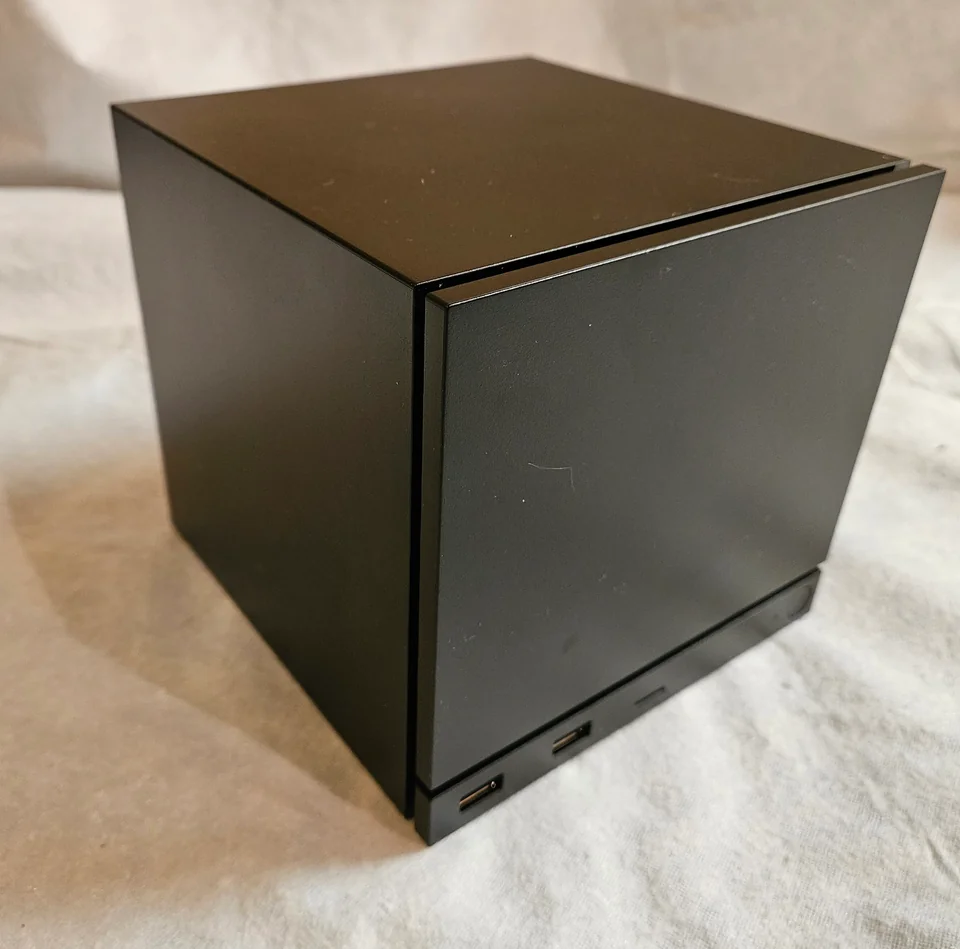
? ? ?Valve · 2026
Photo credits
- Console photos come from Wikimedia Commons. Most are by Evan-Amos, who released them into the public domain. Public-domain and CC0 photos need no credit. The others:
- Der. Bellemer (Xbox Series X) · CC BY 4.0
- Evan-Amos (Intellivision, Atari Lynx, Super Nintendo, Neo Geo, 3DO, Atari Jaguar, Dreamcast) · CC BY-SA 3.0
- Liam Dawe/GamingOnLinux, PNG version by VulcanSphere (Steam Deck) · CC BY-SA 4.0
- Masem (Steam Machine) · CC BY-SA 4.0
- Takimata, edited by Tokyoship (Wii U) · CC BY-SA 3.0
- TRIVI.GG removed the console names printed on the cases and controllers. An edited photo keeps the licence of its original.
Rules & what counts
Name the Game Console Quiz: Rules & What Counts
This quiz shows 41 video game consoles, one photo each. Type the name of the console on the card.
The set covers home consoles and handheld consoles, from 1972 to 2026. The cards are in the order of release.
Under each card, the quiz shows the maker and the year of the first release anywhere in the world.
Every photo comes from Wikimedia Commons under a free licence. Most are product photos by Evan-Amos, who gave them to the public domain.
The quiz removed the console name that the maker printed on the case or on the controller. The logo of the maker stays.
How to play
- Type the name of any console on the board. The card turns over as soon as you spell an accepted name.
- You do not have to press Enter, and you do not have to solve the cards in order.
- Tap a card to see the photo full size. The shape of the case and of the controller is the clue.
- Some console names begin with the name of an older console. If the older card is still open, it turns over first. Then type the longer name again.
- The timer starts at your first keystroke and counts up. Give Up ends the run and turns over every card you missed. Progress saves automatically.
What counts in this quiz
- The full name, the short name and the abbreviation that players use all count.
- A regional name counts. A console that has a different name in Japan or in Europe accepts that name too.
- Where a console first came out in Japan under another name, the card shows the year of the Japanese release.
- Capitals, spaces, hyphens and punctuation do not matter. Frequent misspellings are accepted.
What's not included, and why
- Home computers are not in the quiz, even when they played many games.
- A small gaming PC is in the quiz when its maker sells it as a console for the TV.
- Add-ons are not in the quiz. A CD drive or an adapter that needs another console to work is not a console.
- Mini editions and plug-and-play copies of old consoles are not in the quiz.
- Each console is one card. A slim model or a later model of the same console has no card of its own.
- A console is in the quiz only if Wikimedia Commons has a free photo of it.
Good to know
- The first home video game console came out in 1972. It had no sound, and players put plastic sheets on the TV screen to add colour.
- In 1983 the North American video game market crashed. Sales fell by about 97 percent in two years.
- Nintendo started in 1889 as a maker of playing cards. It made its first home video game system almost 90 years later.
- Sega made consoles for 18 years. It stopped in 2001 and now only makes games.
- One console from 1995 showed its games in red and black only. Its maker stopped selling it within a year.