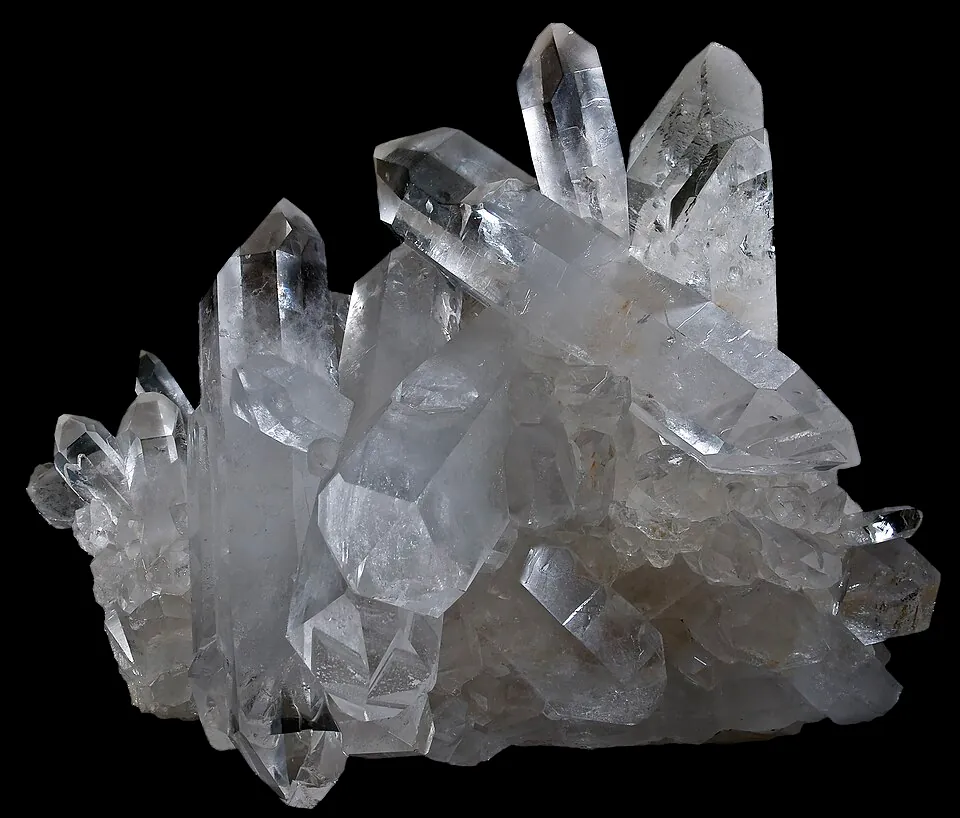
? ? ?
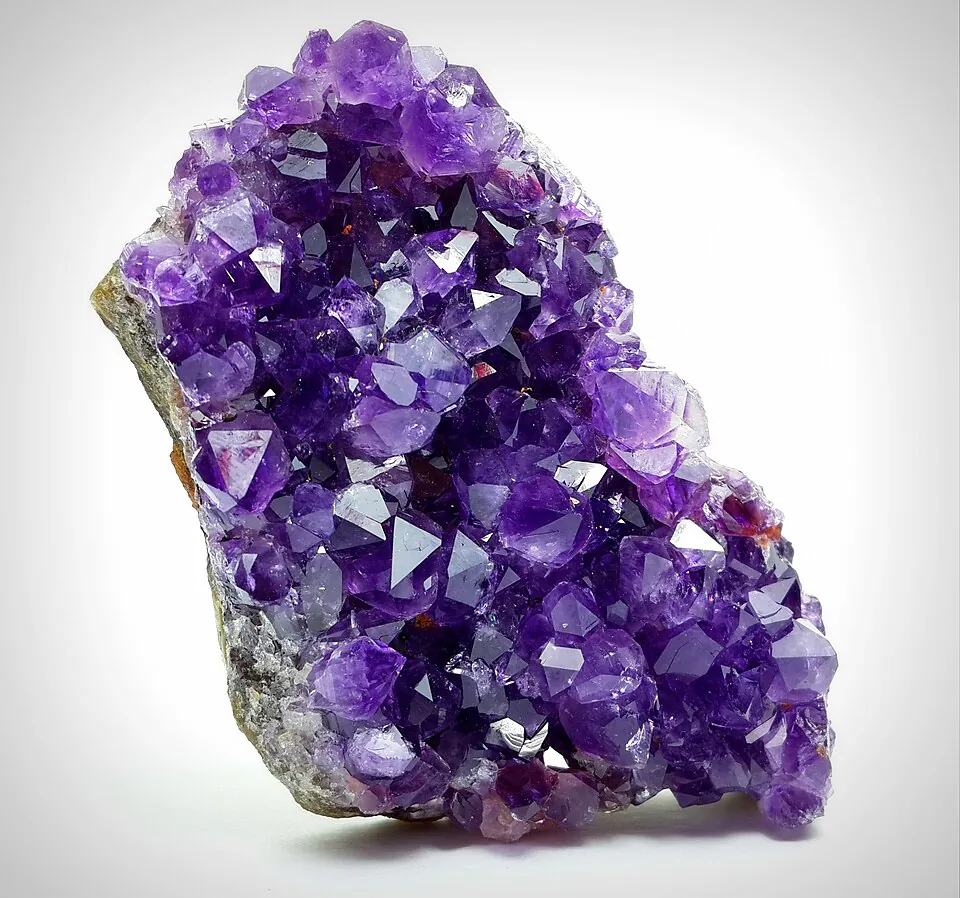
? ? ?
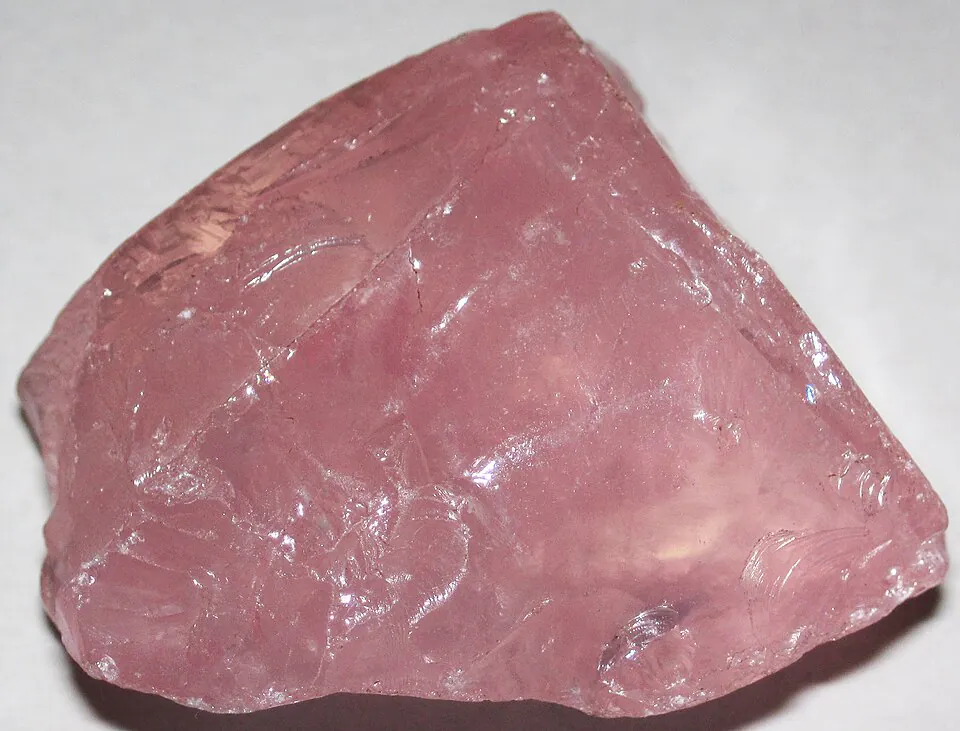
? ? ?
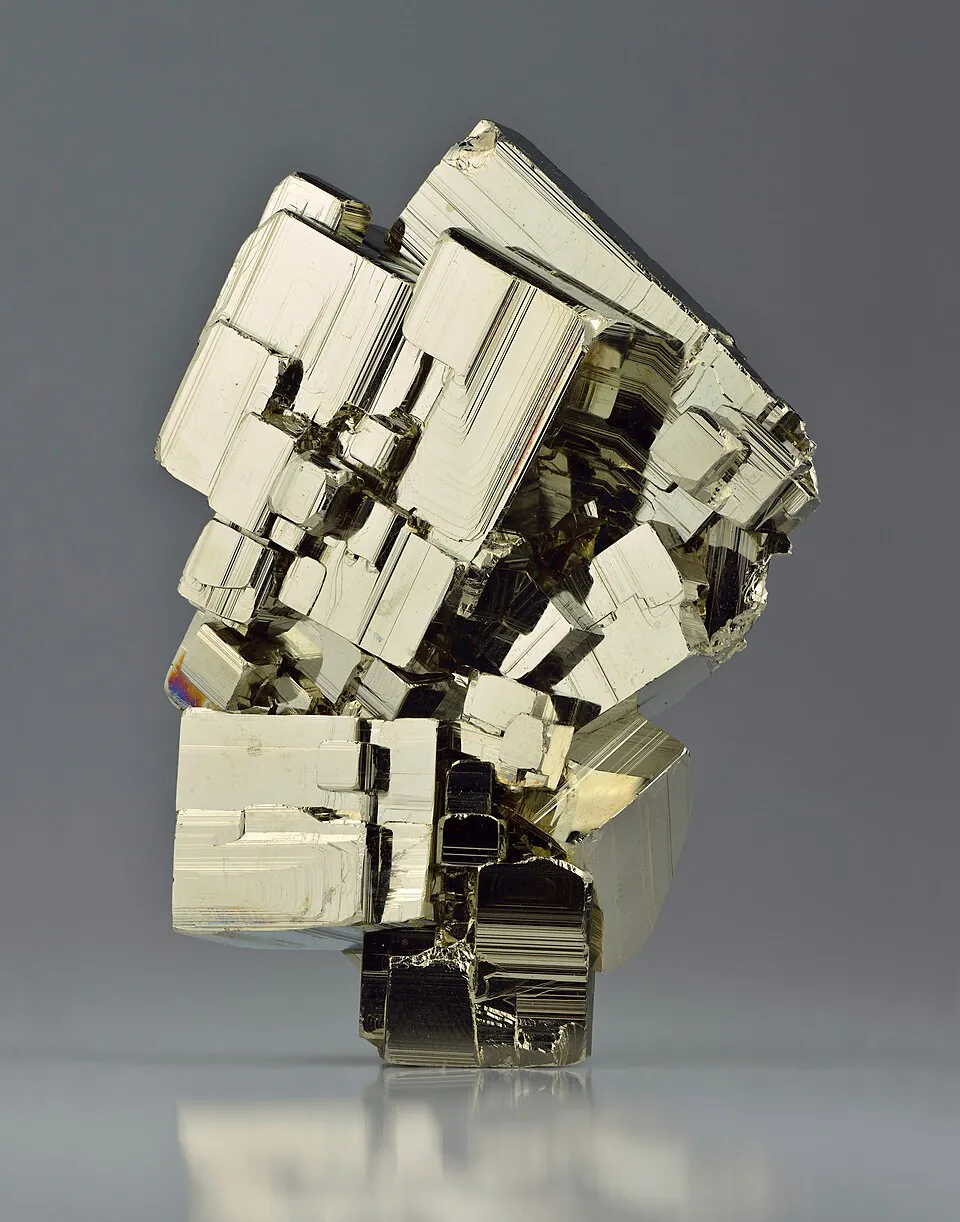
? ? ?
? ? ?
? ? ?
? ? ?
? ? ?
? ? ?
? ? ?
? ? ?
? ? ?
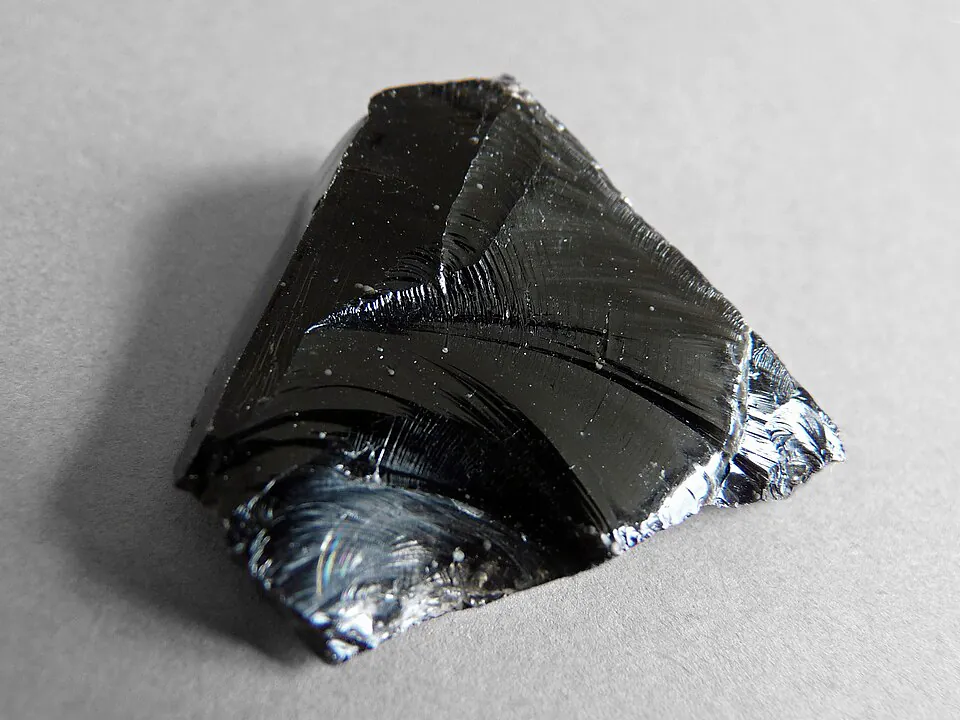
? ? ?
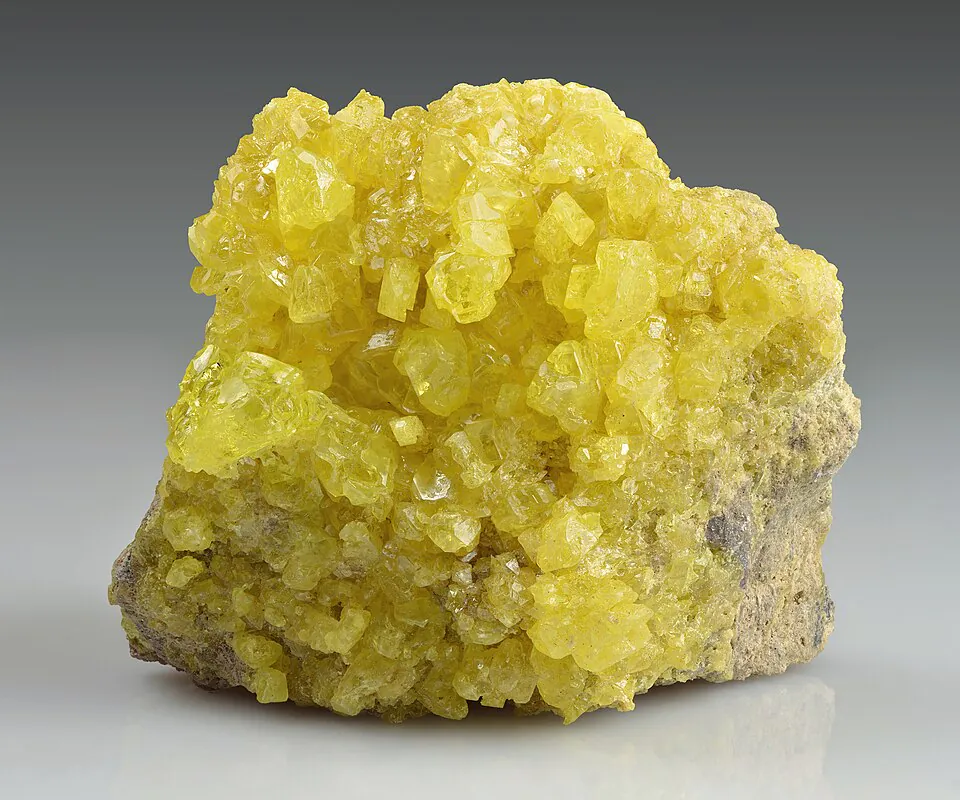
? ? ?
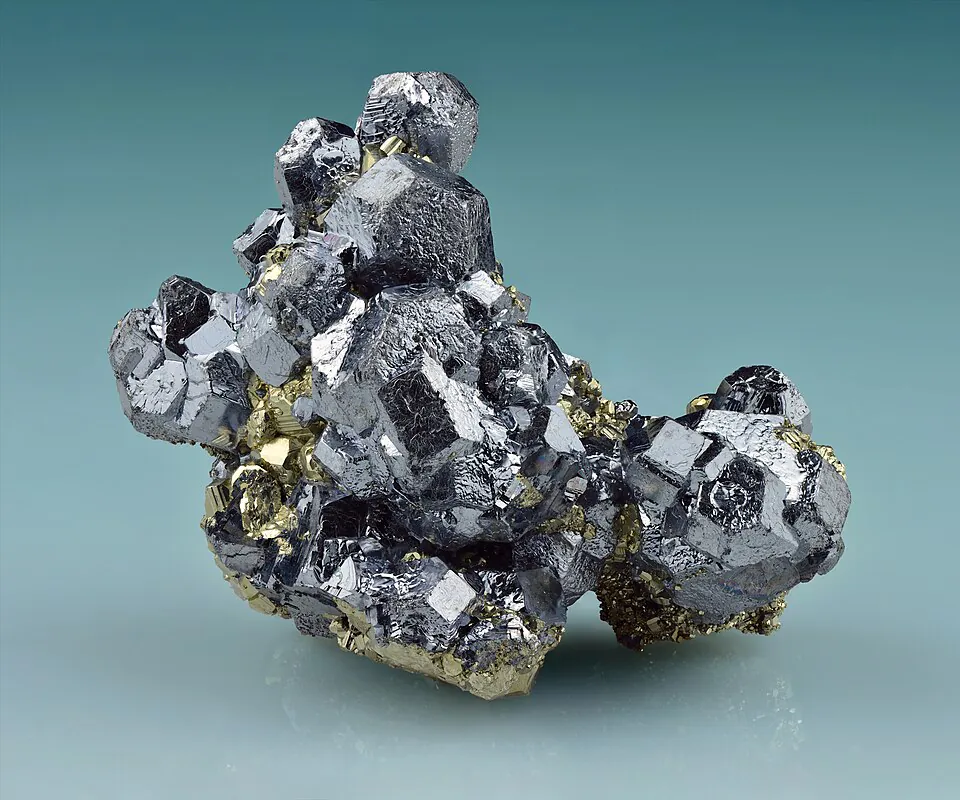
? ? ?
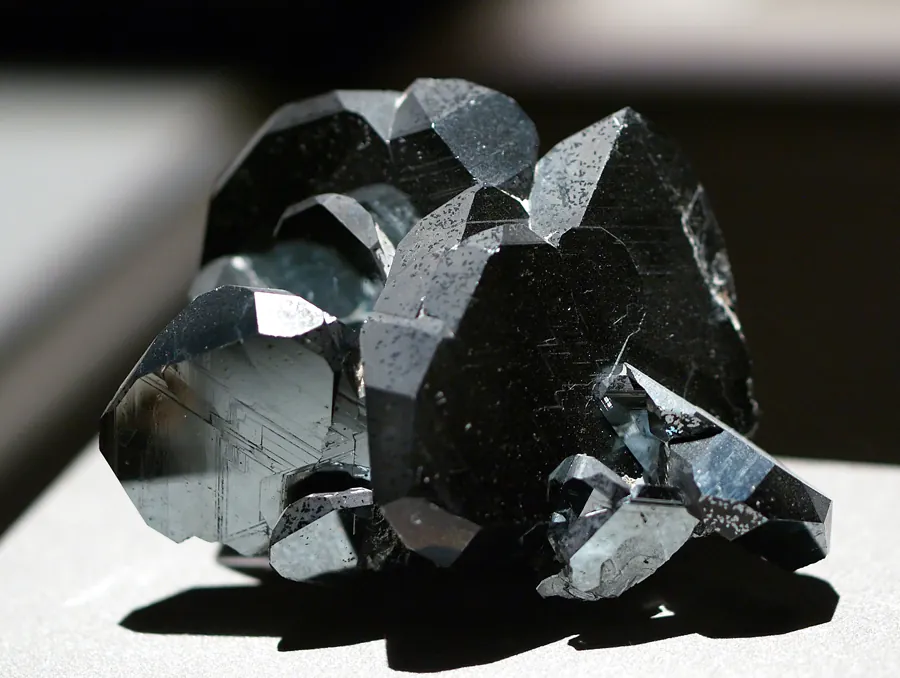
? ? ?
? ? ?
? ? ?
? ? ?
? ? ?
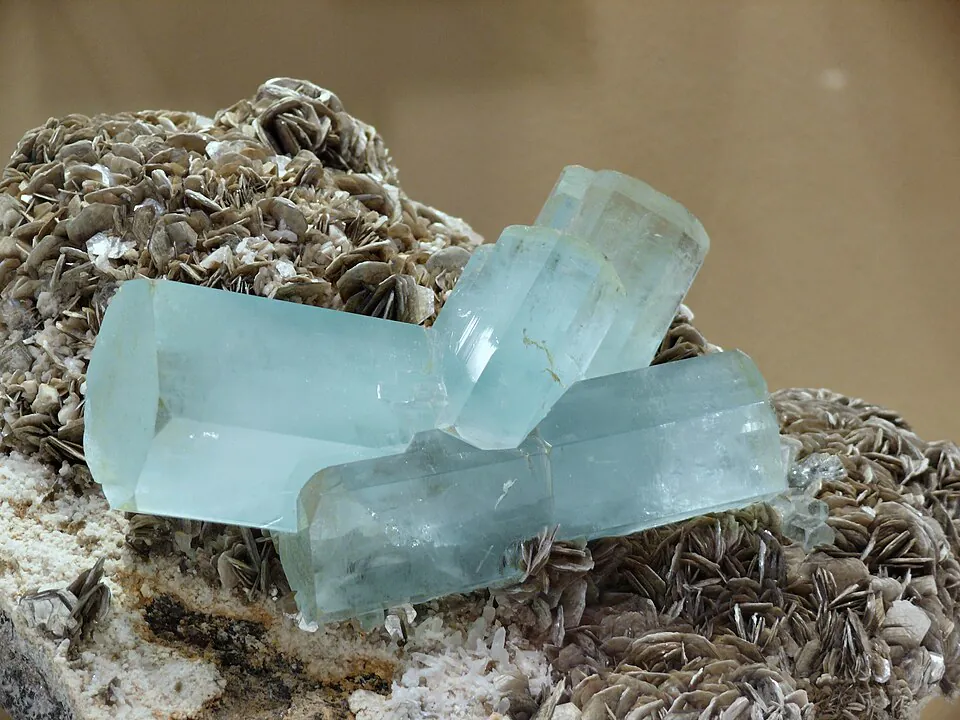
? ? ?
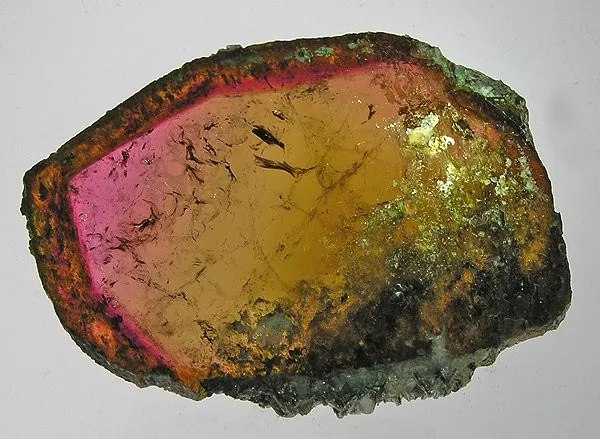
? ? ?
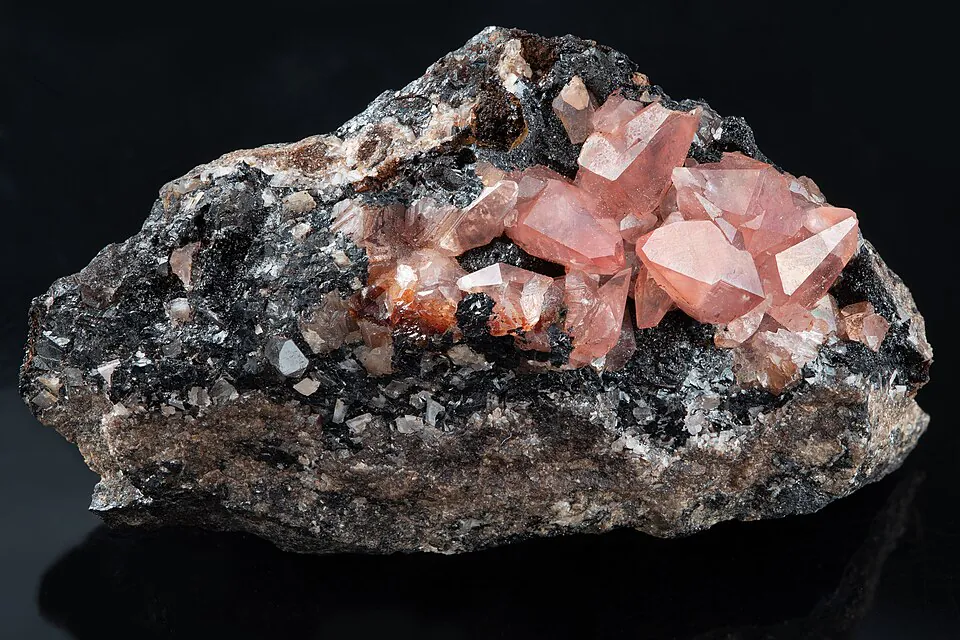
? ? ?
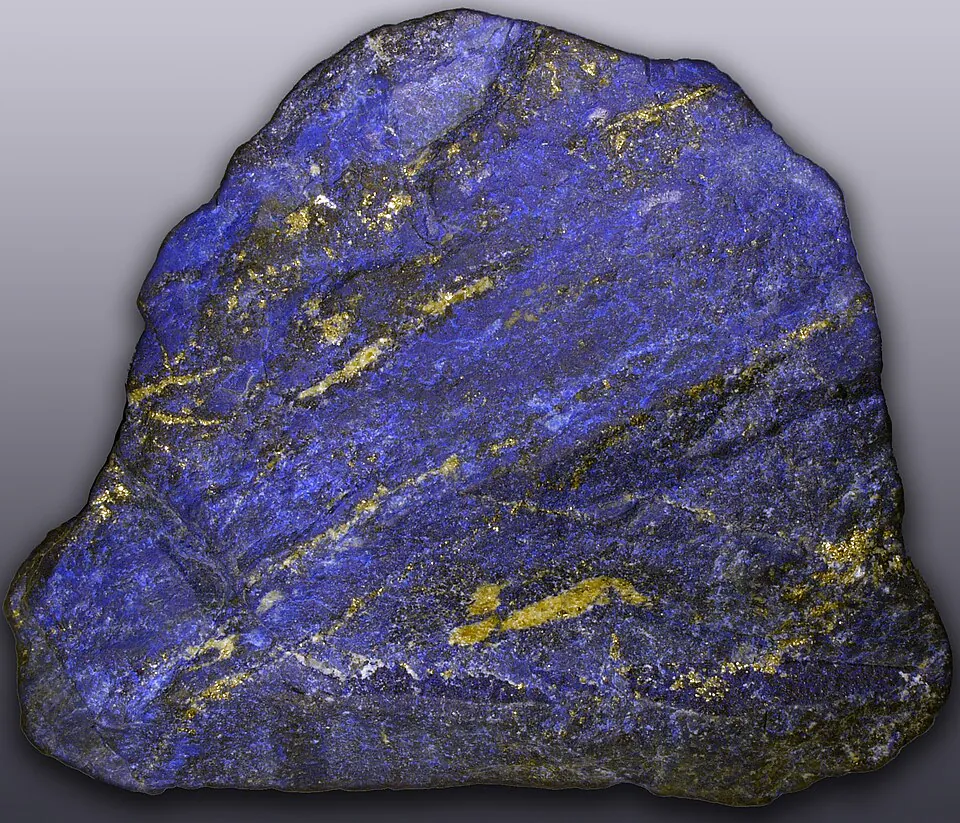
? ? ?
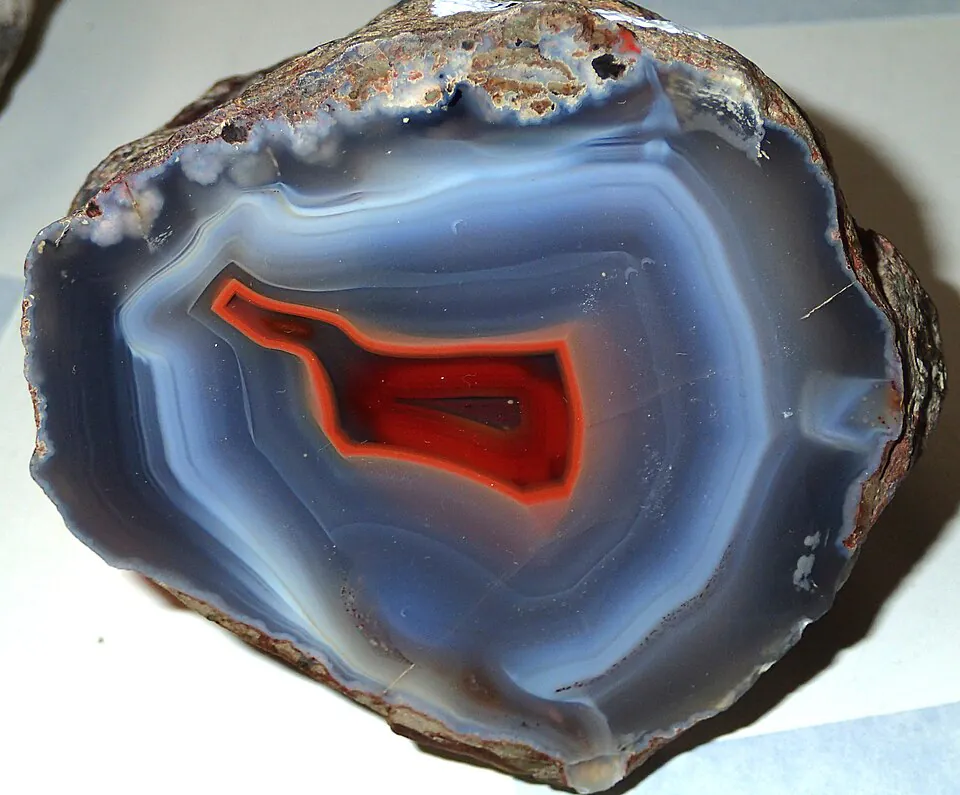
? ? ?
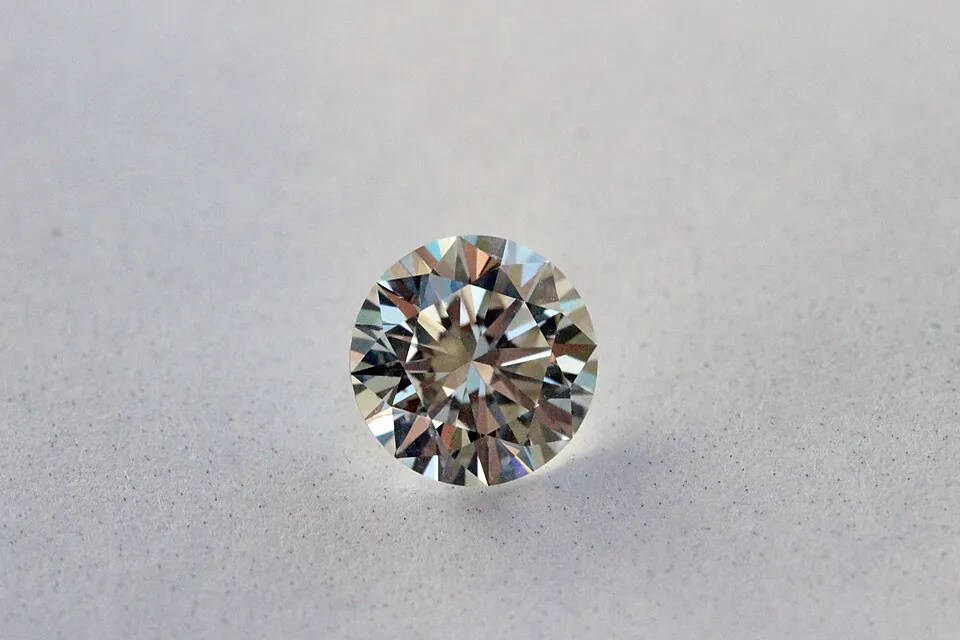
? ? ?
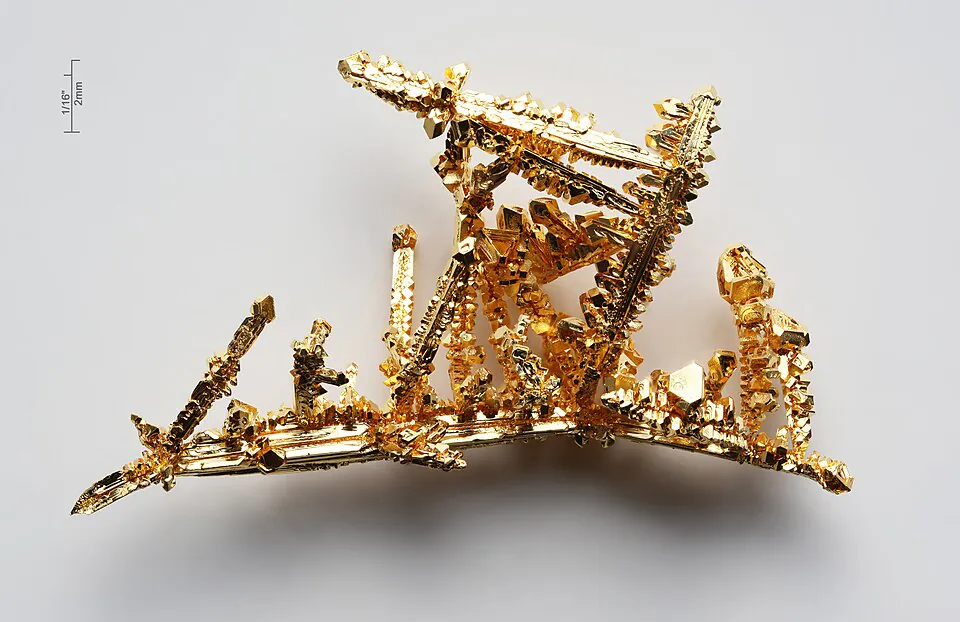
? ? ?
Photo credits
- All photos are from Wikimedia Commons under free licenses:
- Fluorite, Turquoise, Opal, Ruby, Tourmaline: Robert M. Lavinsky (iRocks.com) · CC BY-SA 3.0
- Mica: Luis Miguel Bugallo Sánchez · CC BY-SA 3.0
- Pyrite, Azurite, Sulfur, Galena: Ivar Leidus · CC BY-SA 4.0
- Quartz, Gypsum: Didier Descouens · CC BY-SA 4.0
- Rose Quartz, Agate: James St. John · CC BY 2.0
- Amethyst: Gonzalo Devia · CC BY-SA 4.0; Calcite: Nessa Eull · CC0
- Halite: Lech Darski · CC BY-SA 4.0; Malachite: Calibas · CC BY-SA 4.0
- Obsidian: Ji-Elle · CC BY-SA 3.0; Hematite: Wikipedia Loves Art · CC BY-SA 2.5
- Garnet: Moha112100 · CC BY-SA 3.0; Emerald: Géry Parent · CC0
- Aquamarine: Gunnar Ries · CC BY-SA 2.5; Rhodochrosite: JJ Harrison · CC BY-SA 4.0
- Lapis Lazuli: Hannes Grobe · CC BY-SA 2.5; Diamond: Petragems · CC BY-SA 4.0
- Gold: Alchemist-hp · CC BY-SA 3.0 de
Rules & what counts
Mineral Quiz: Rules & What Counts
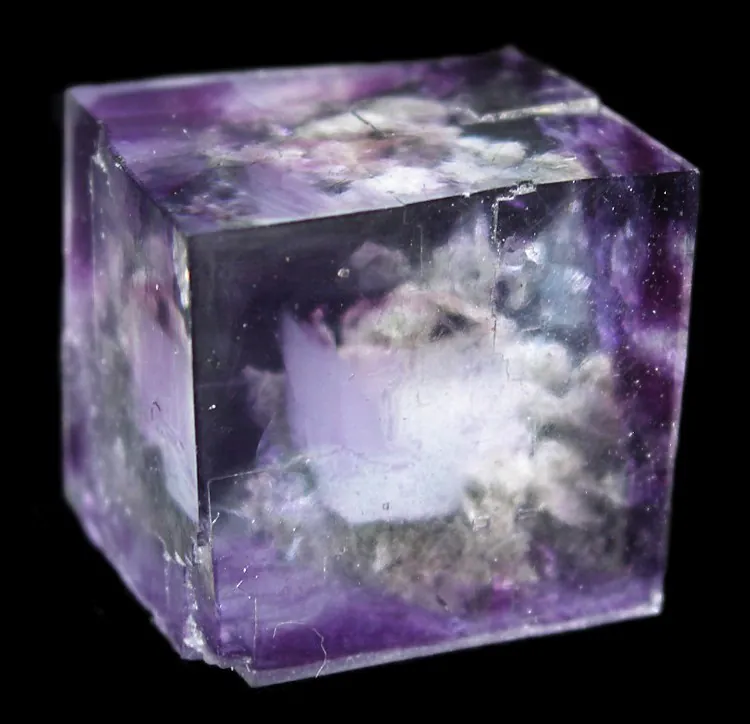
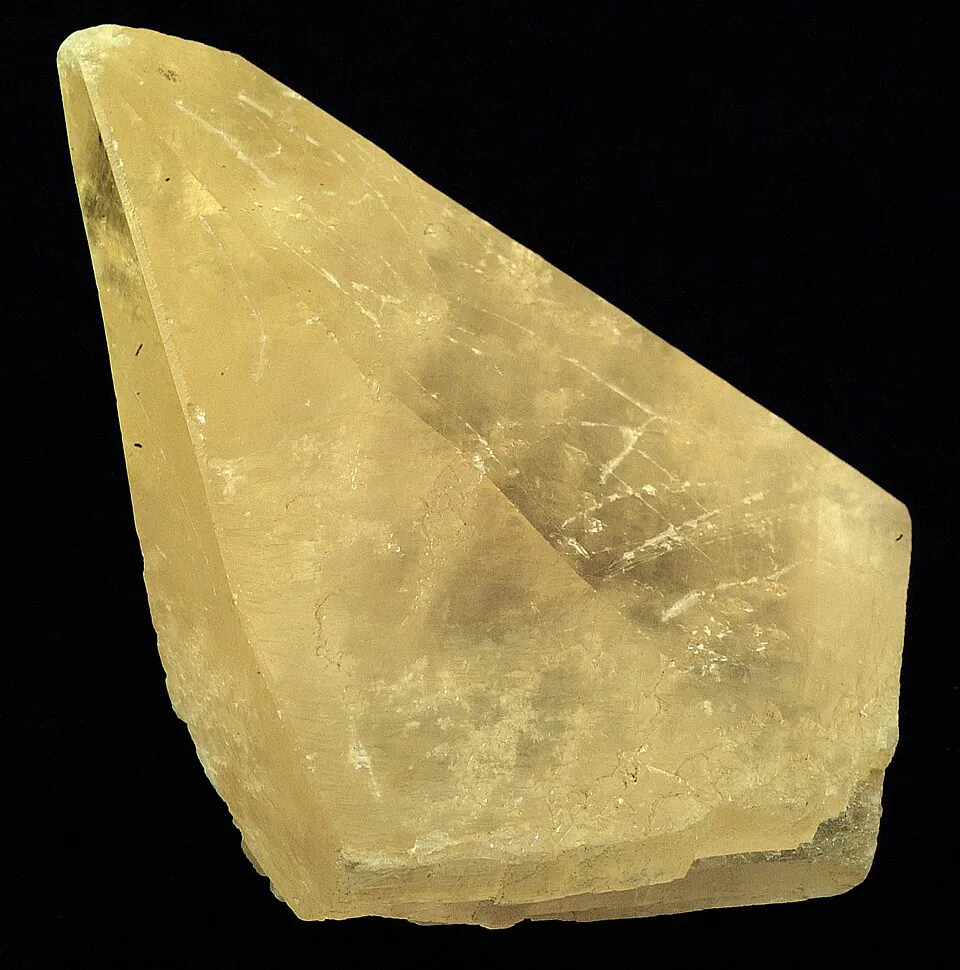
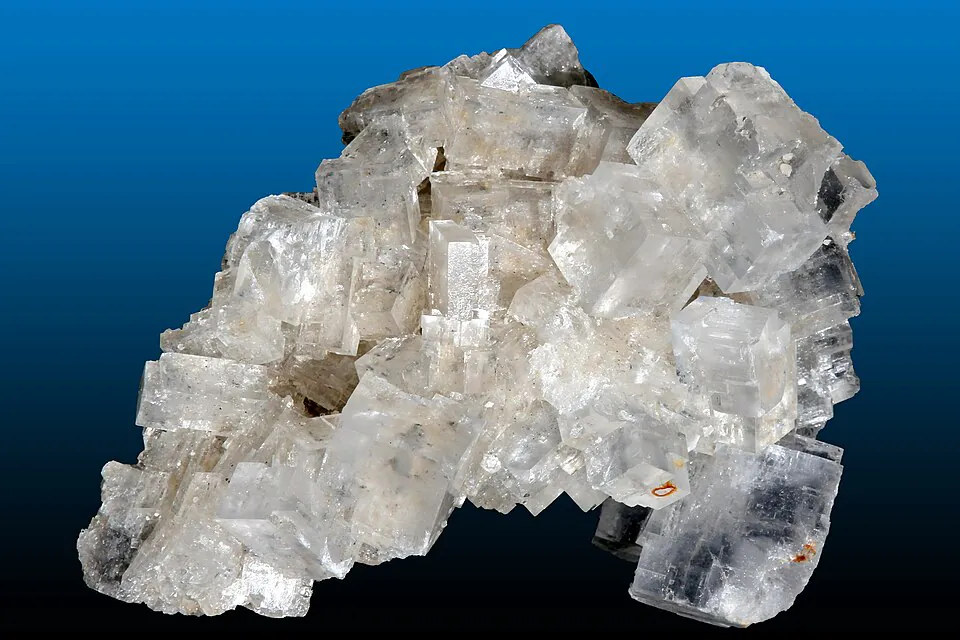
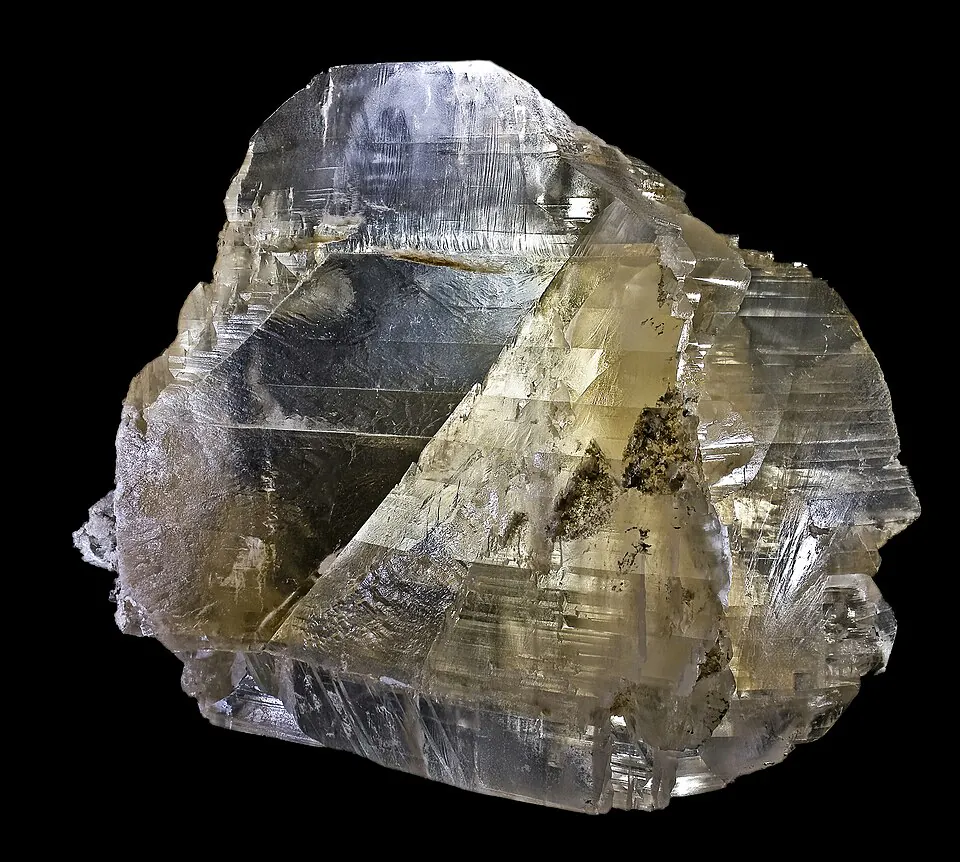
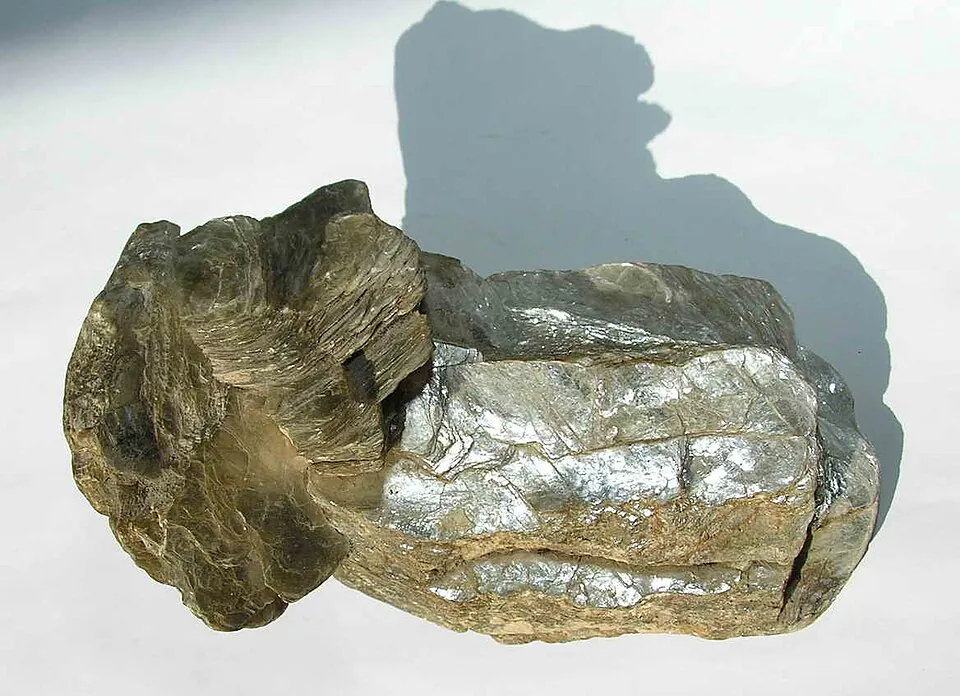
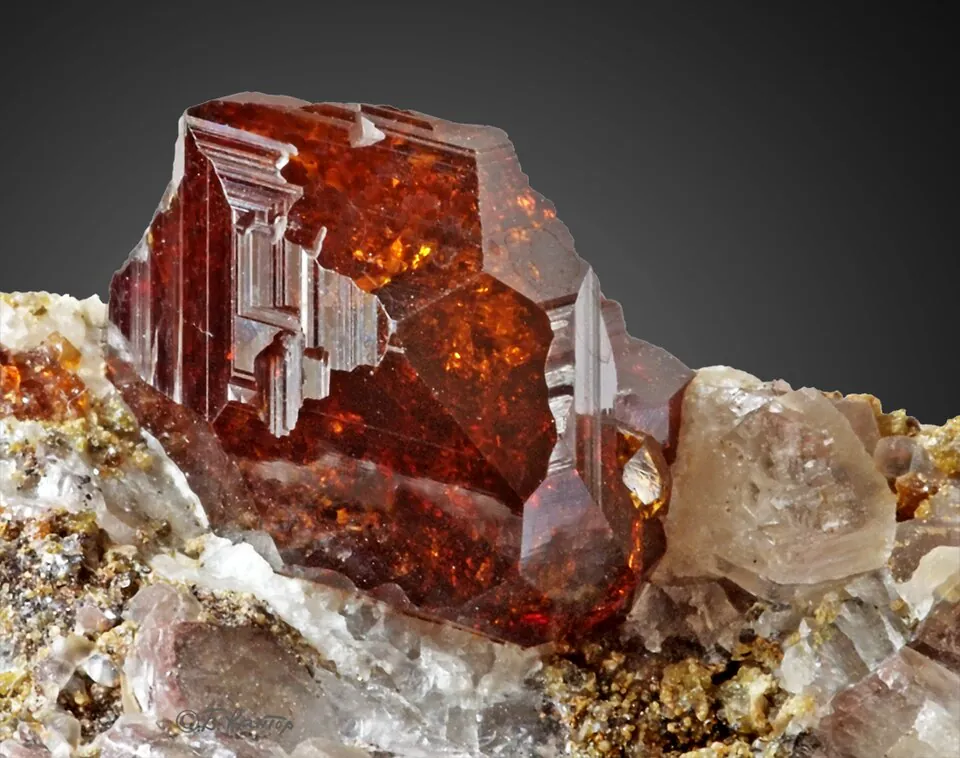
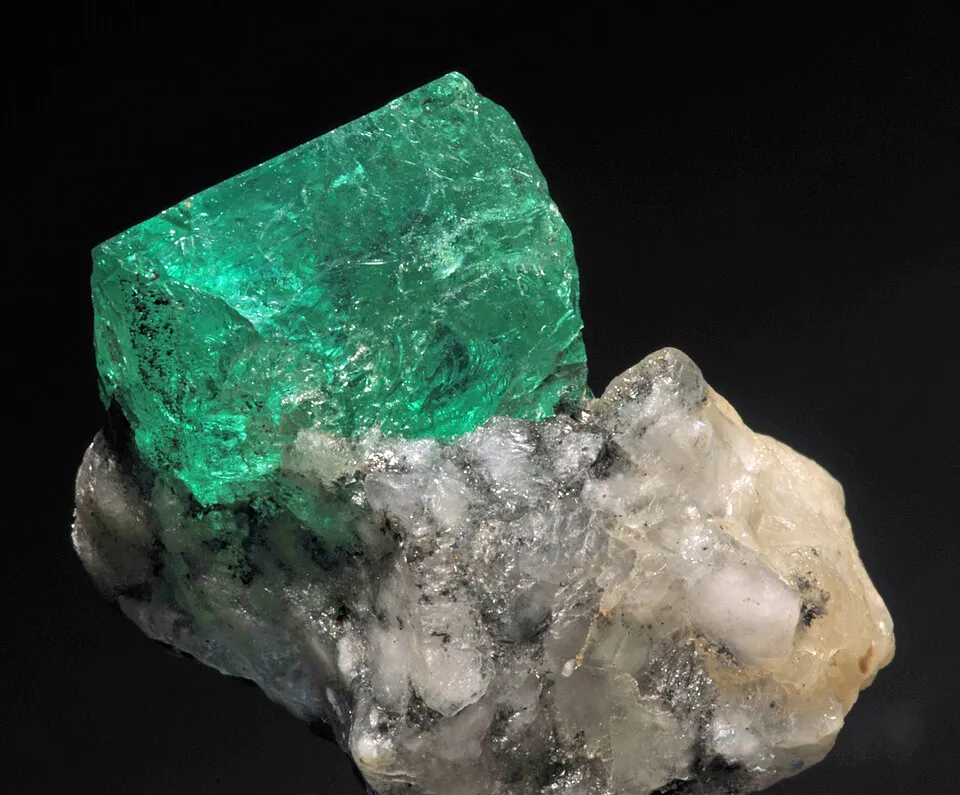
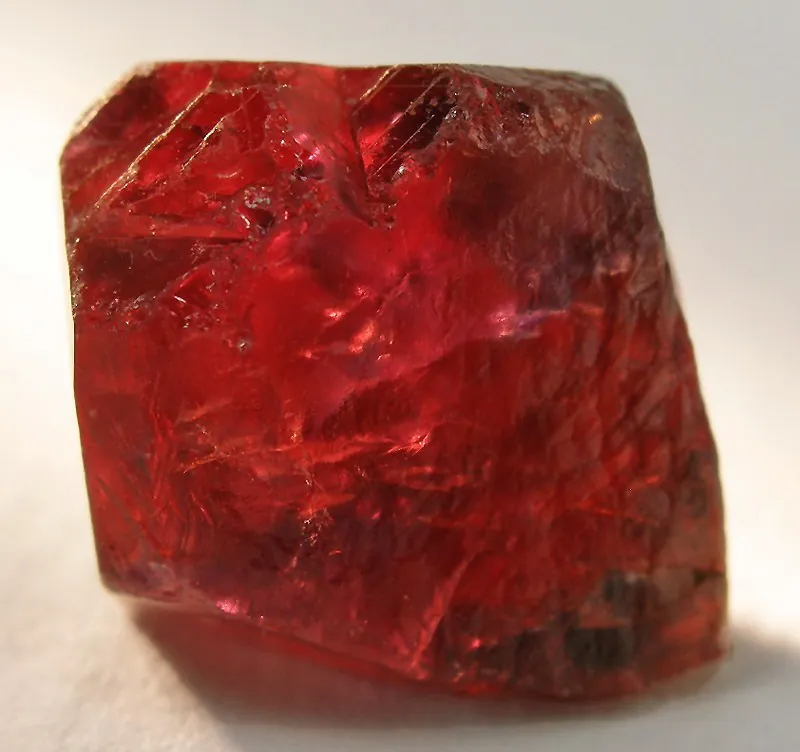
Name 27 famous minerals and gemstones from a photo. Each card shows a classic specimen: the amethyst cluster, the pyrite cubes, the banded malachite.
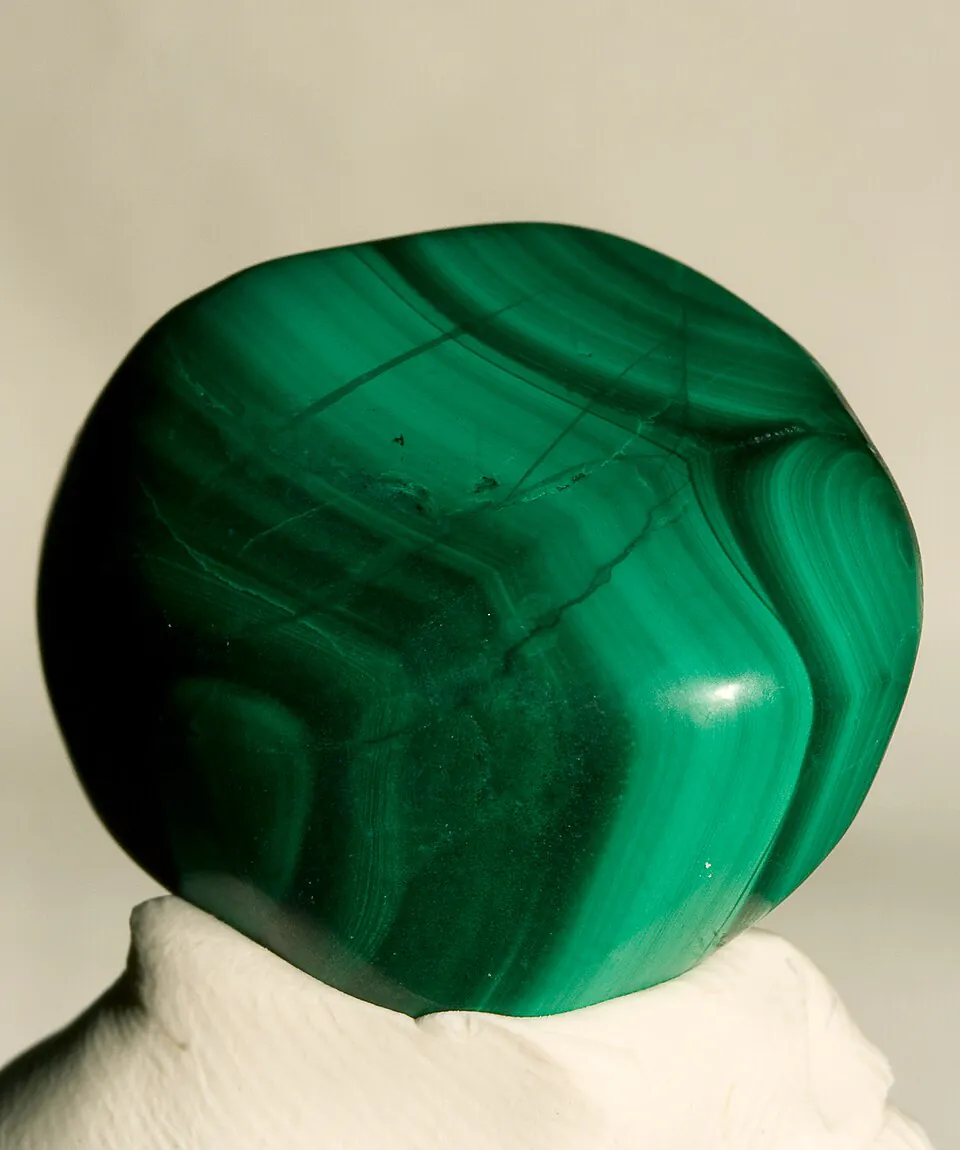
The photos show the mineral the way a museum case shows it, not a cut stone in a ring. Two cut stones are the exception, because that is the shape everyone knows them in: the diamond and the polished malachite.
Solve a card and it shows the mineral's chemical formula or group, so a run doubles as a small geology lesson.
How to play
- Start typing anywhere; the answer bar catches it automatically.
- The game accepts a mineral as soon as you spell it. You do not press Enter.
- A correct name reveals its card and shows the formula line.
- Other full names count. "Fool's gold" works for pyrite, "rock salt" for halite, "muscovite" for mica.
- Select a card to enlarge the photo.
- The timer counts up. Give up reveals the remaining minerals and logs your score.
What counts in this quiz
- 27 minerals and gemstones, from quartz to gold.
- Varieties are asked under their own names. The purple card is amethyst, never "quartz".
- Common misspellings count, and both spellings of sulfur and of hematite work.
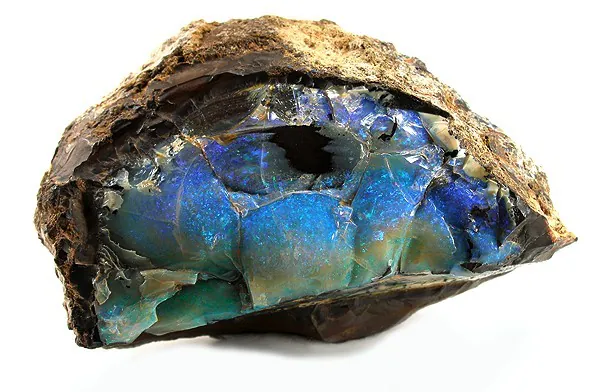
- Three cards are classics that strictly are not minerals: obsidian and opal are mineraloids, and lapis lazuli is a rock. They are in because every mineral collection shows them.
What's not included, and why
- Rocks are not in the quiz. Granite, marble and basalt are mixtures of minerals, so they cannot be one answer.
- The game recognizes those guesses. Type "granite" and the input clears, so you can see the guess registered without a point.
- Jade is not a card. A polished jade boulder reads as "some green stone" in a photo, so the question would not be fair.
Good to know
- Pyrite earned the name fool's gold in every gold rush. The two are easy to tell apart: gold is soft and heavy, pyrite is hard and light.
- Diamond and graphite are both pure carbon. The only difference is how the atoms are stacked.
- A watermelon tourmaline grows pink on the inside and green on the outside, in one single crystal.
- Rhodochrosite is Argentina's national stone. The Incas believed it was the blood of their rulers, turned to stone.