? ? ?
? ? ?
? ? ?
? ? ?
? ? ?
? ? ?
? ? ?
? ? ?
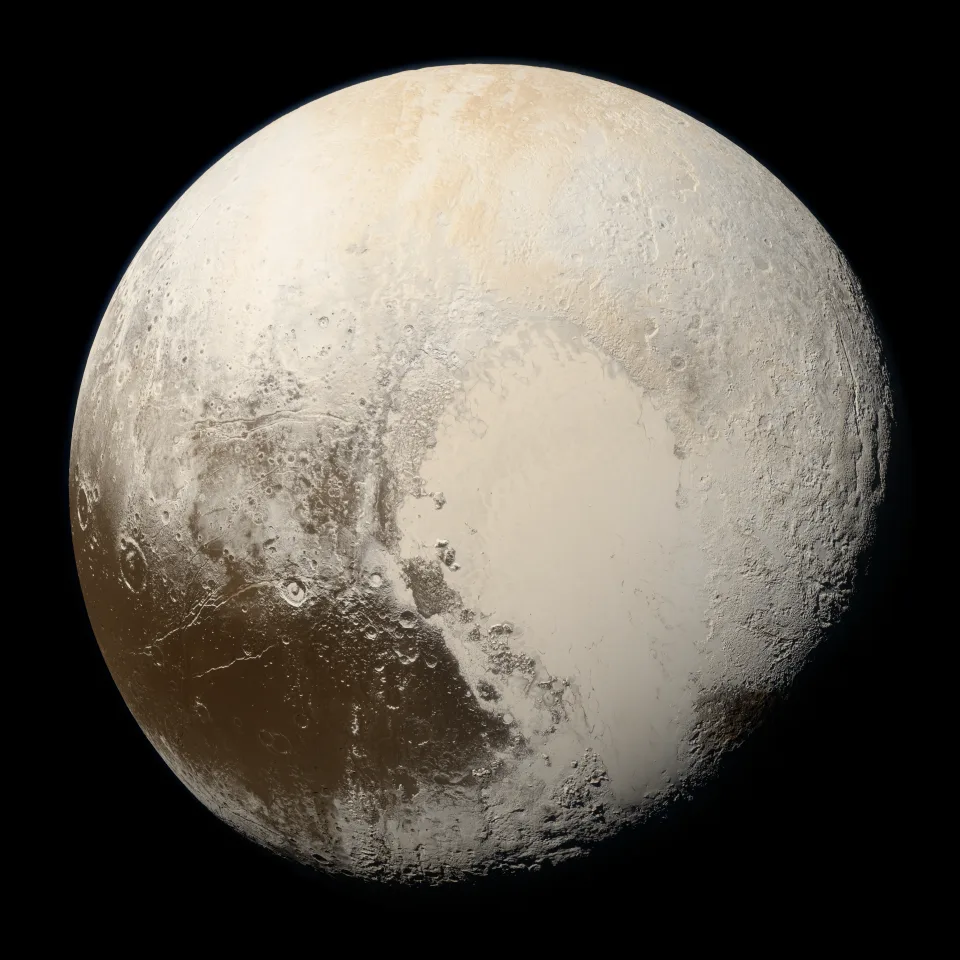
? ? ?
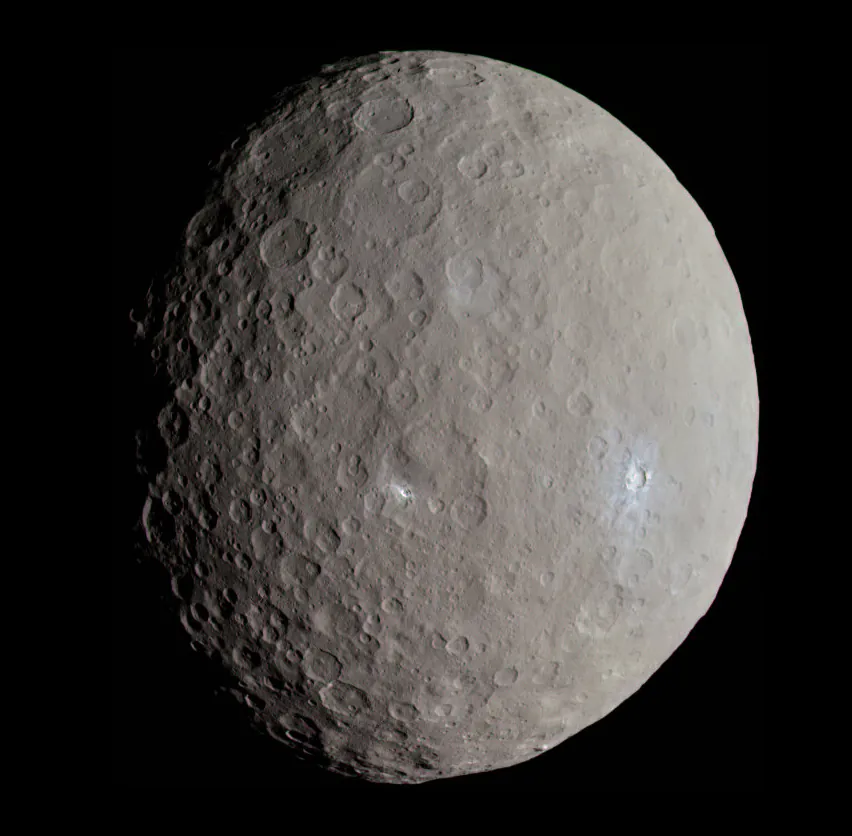
? ? ?
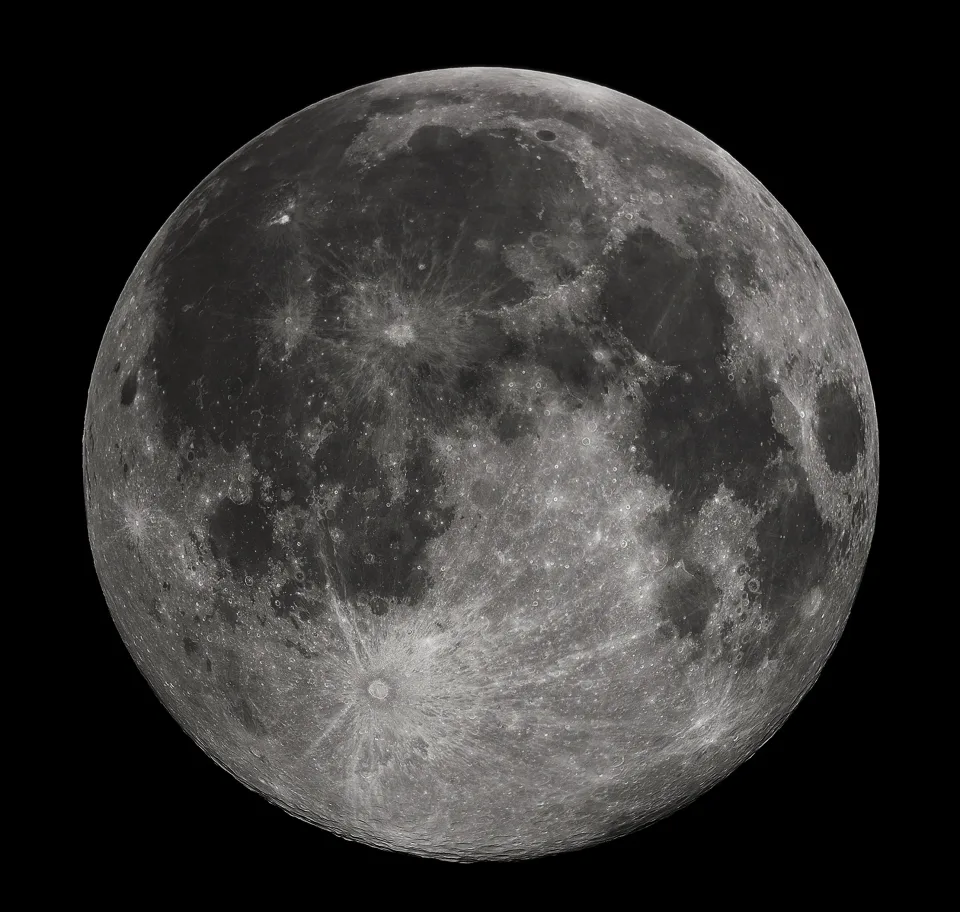
? ? ?
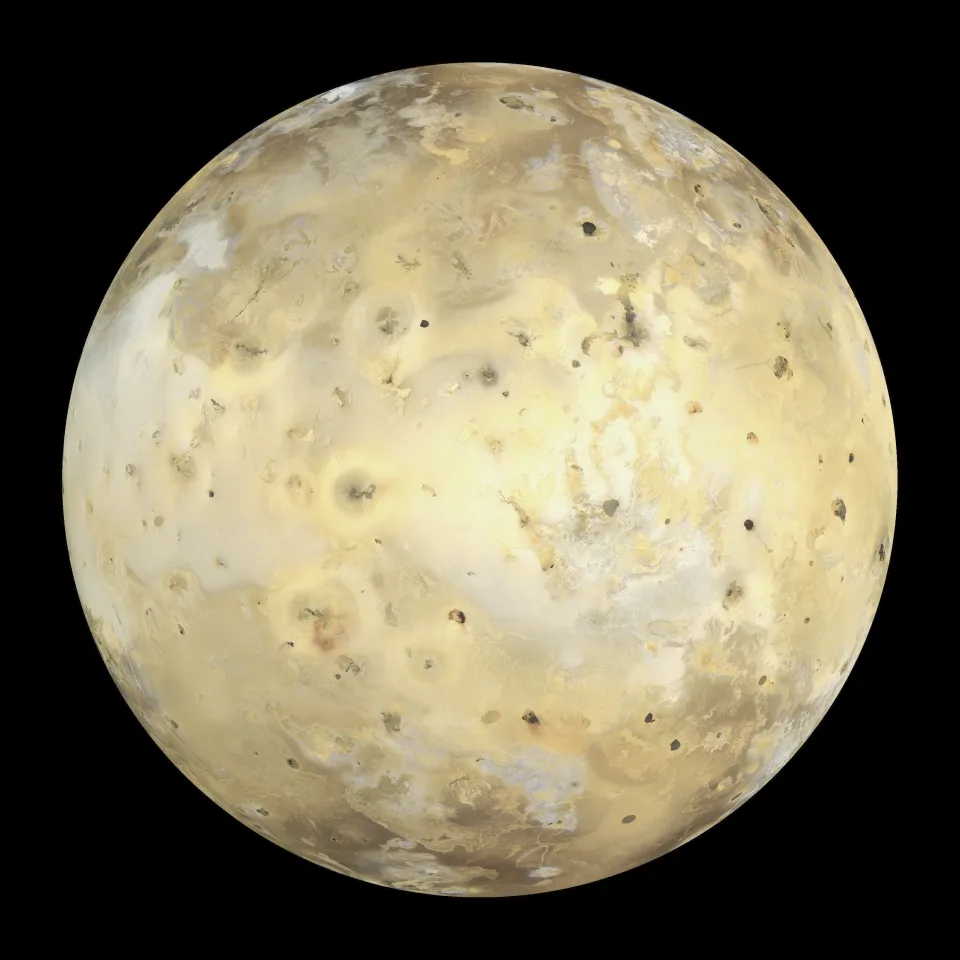
? ? ?
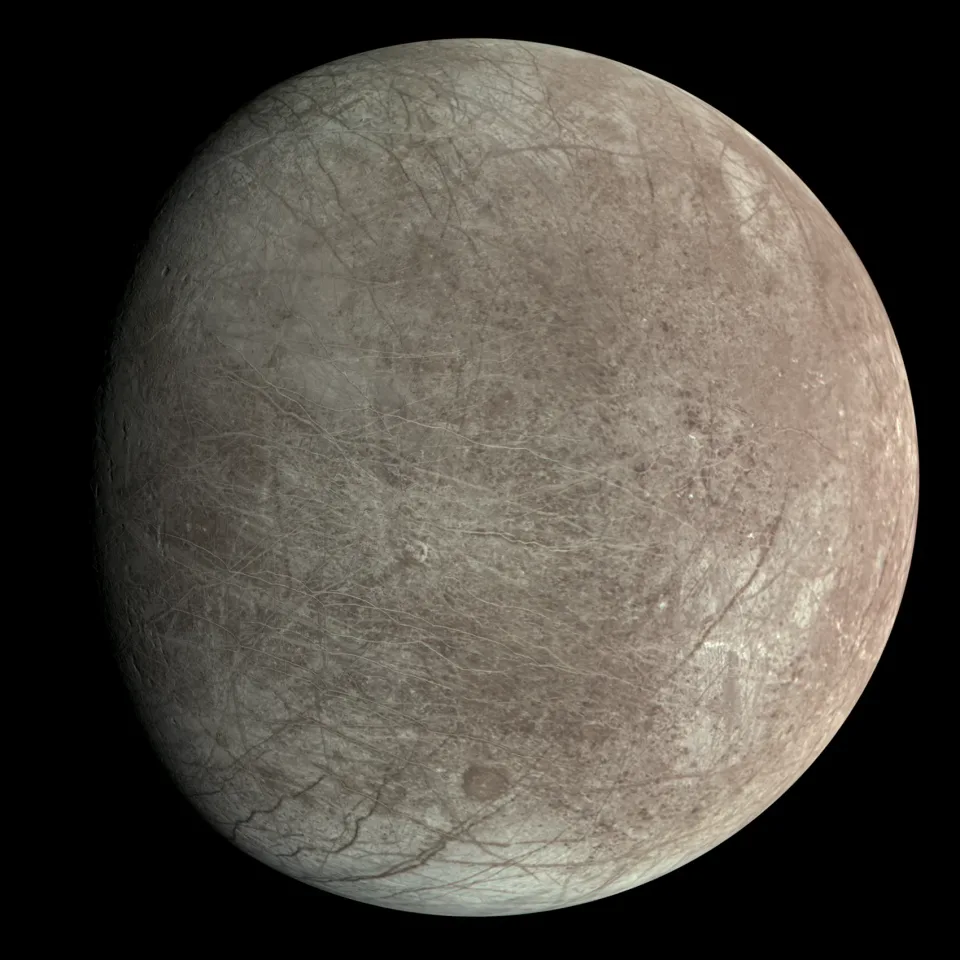
? ? ?
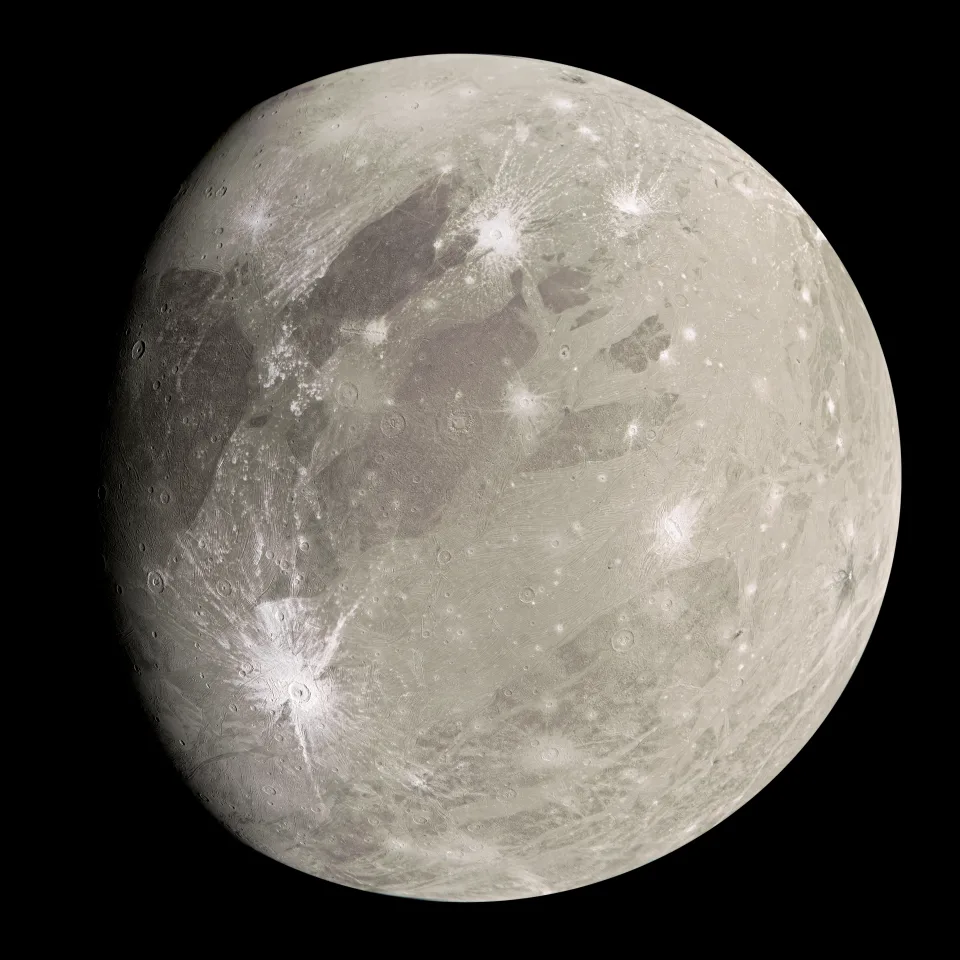
? ? ?
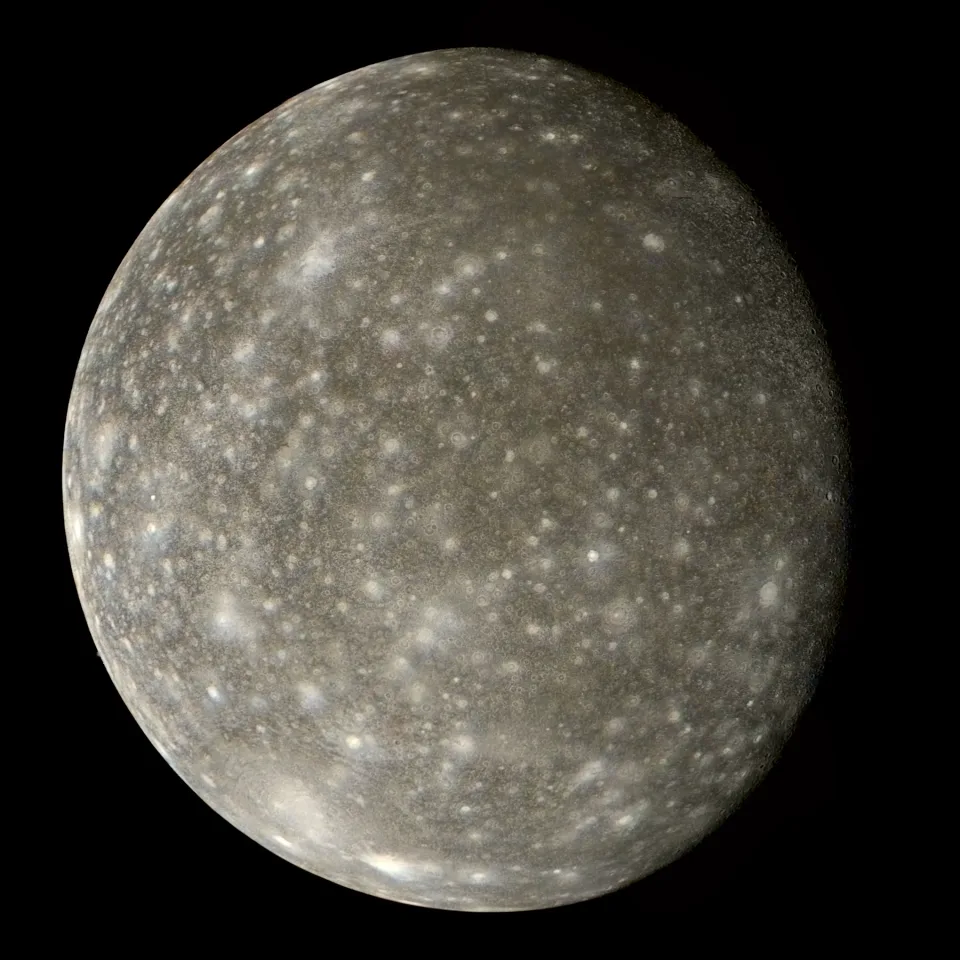
? ? ?
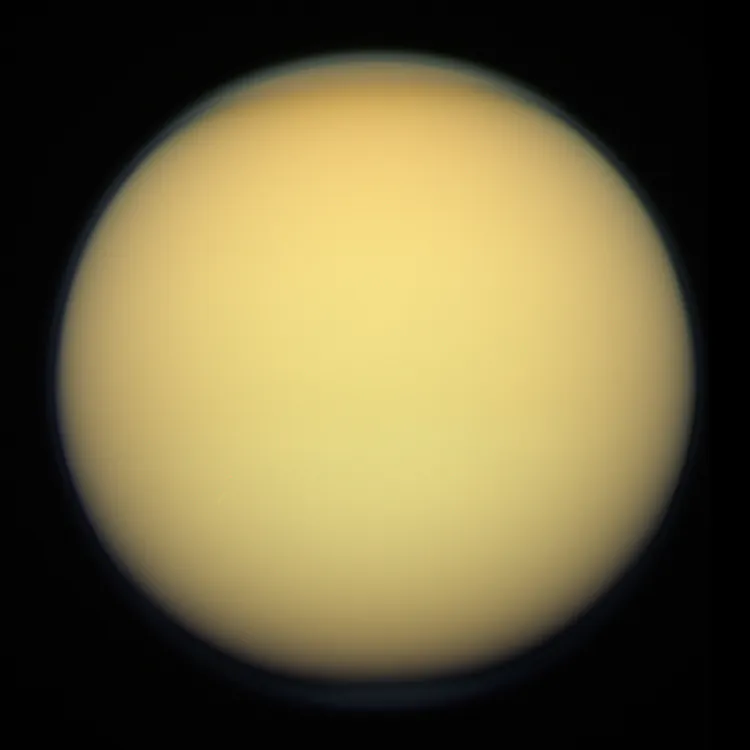
? ? ?
? ? ?
? ? ?
? ? ?
? ? ?
? ? ?
? ? ?
Photo credits
- Most pictures are NASA public domain. The rest are:
- EUMETSAT (earth) · Attribution
- Kevin Gill from Los Angeles, CA, United States (mars) · CC BY 2.0
- Gregory H. Revera (moon) · CC BY-SA 3.0
- NASA/JPL-Caltech/SwRI/MSSS/Kevin M. Gill (europa) · CC BY 2.0
- NASA/JPL-Caltech/SwRI/MSSS/Kevin M. Gill (ganymede) · CC BY 2.0
- zelario12 (callisto) · CC BY-SA 2.0
- NASA/JPL-Caltech/SSI/Kevin M. Gill (titan) · CC BY 2.0
- NASA / JPL / SSI / Gordan Ugarkovic (iapetus) · CC BY-SA 2.5
Rules & what counts
Planets and Moons Quiz: Rules & What Counts
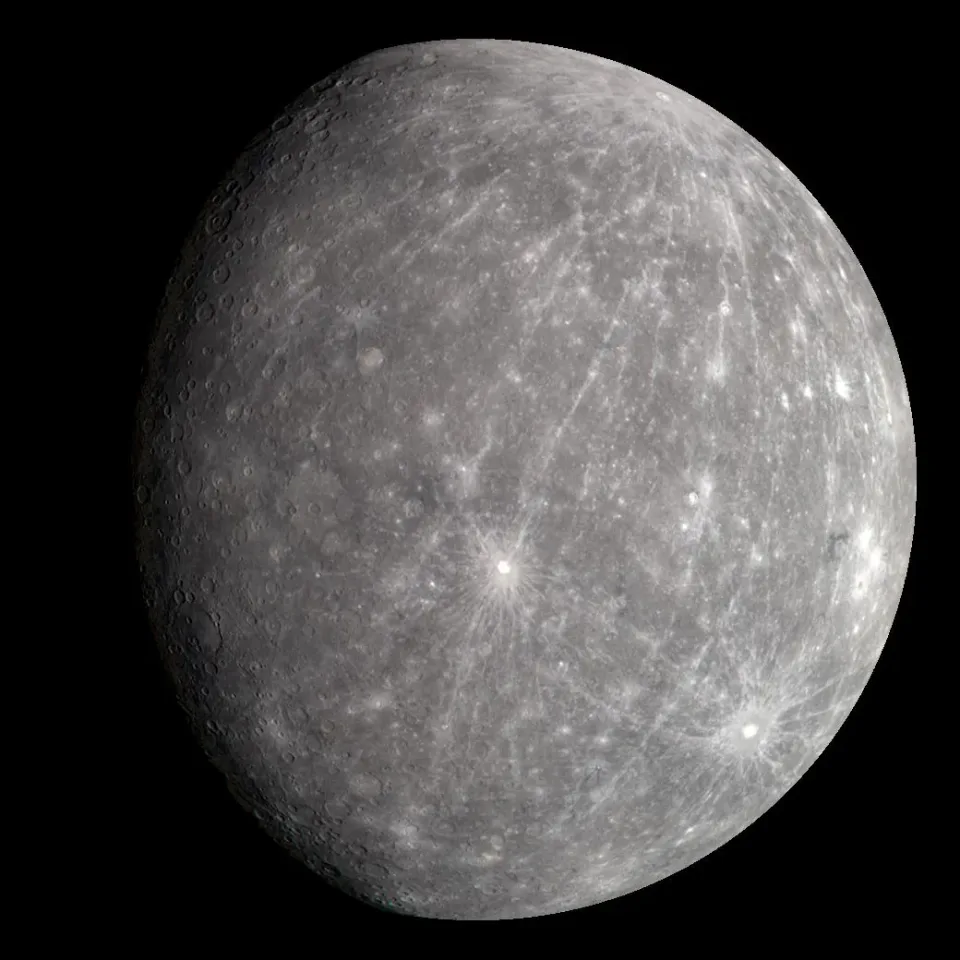
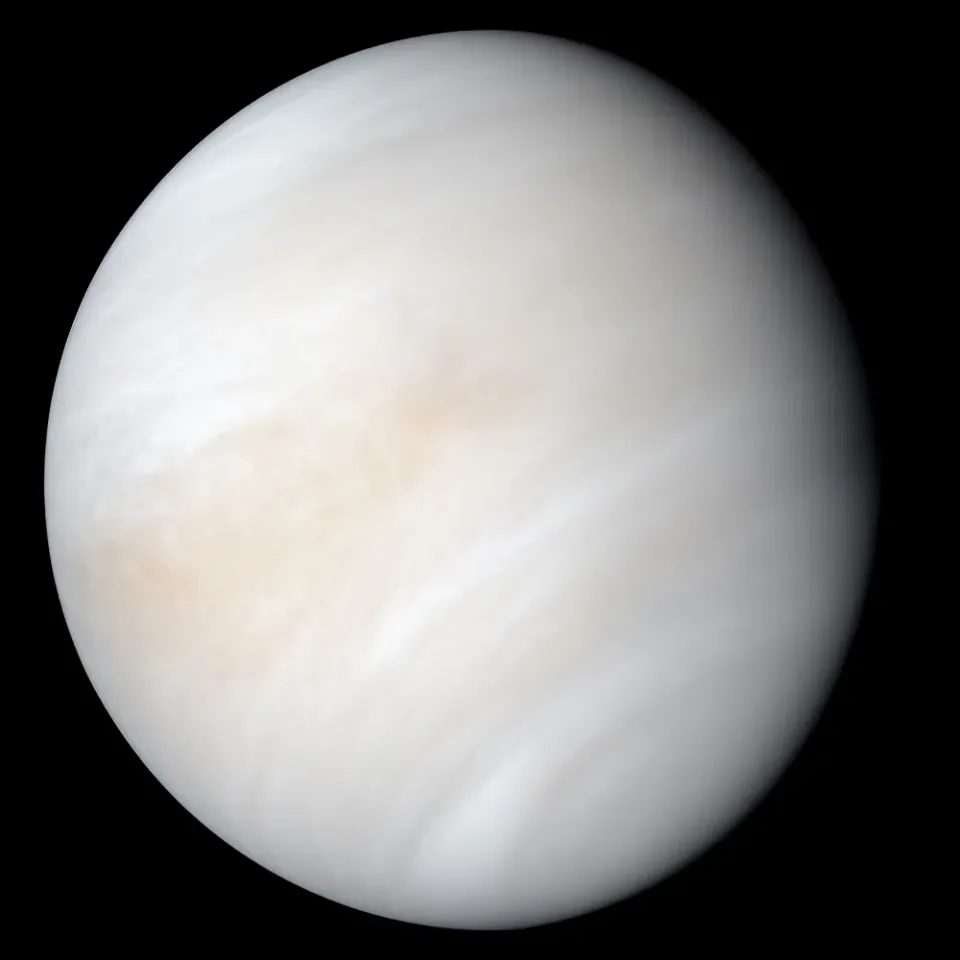
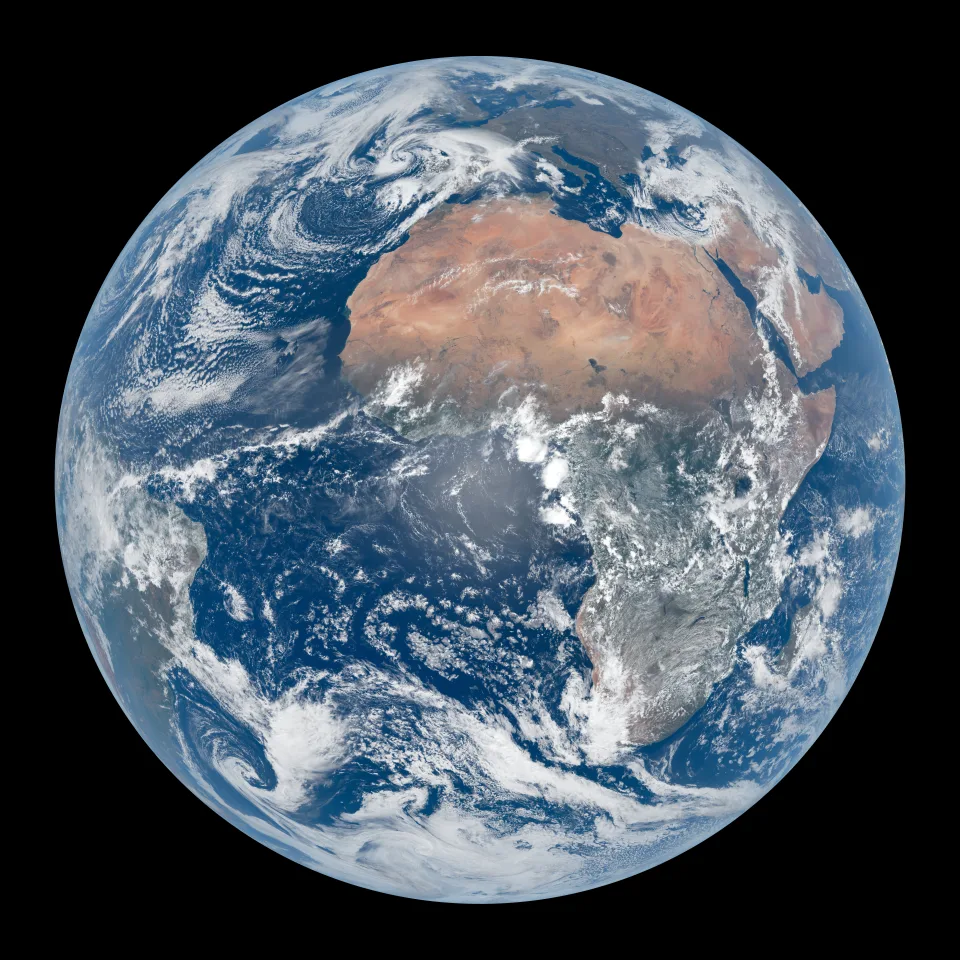
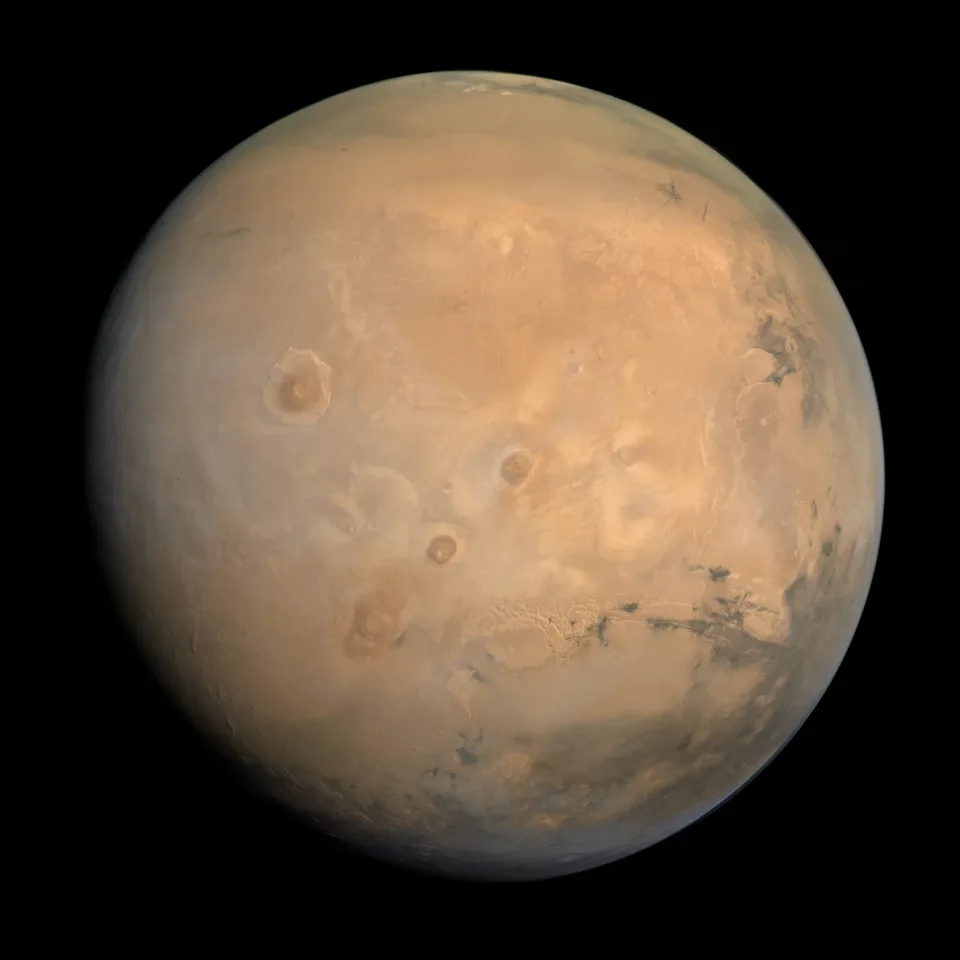
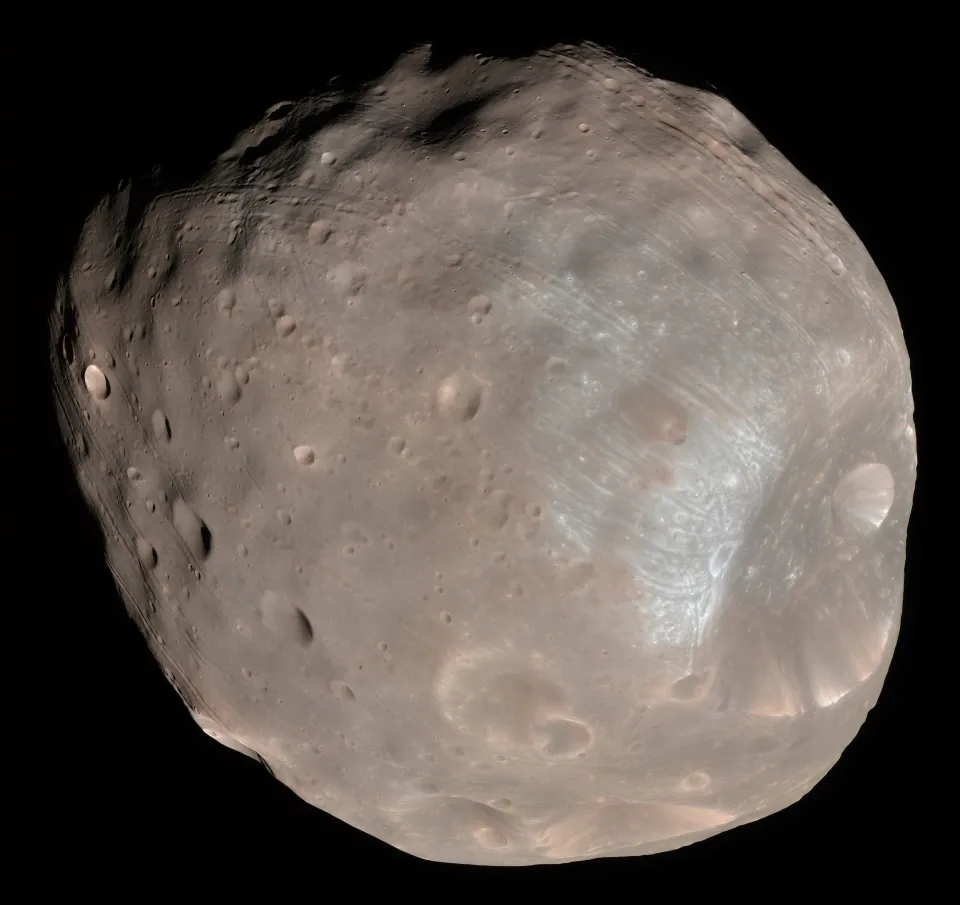
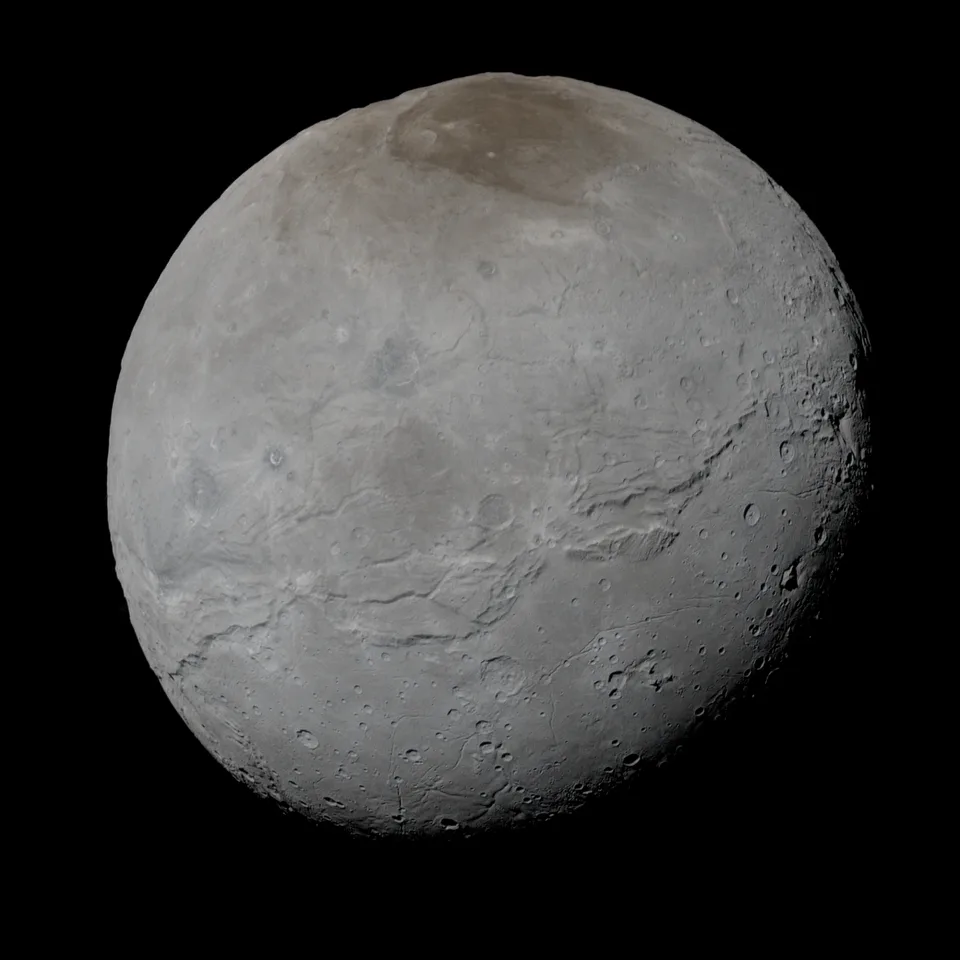
This quiz shows 22 worlds of the solar system, one picture each. Type the name of the world on the card.
The set is the eight planets, two dwarf planets and twelve moons.
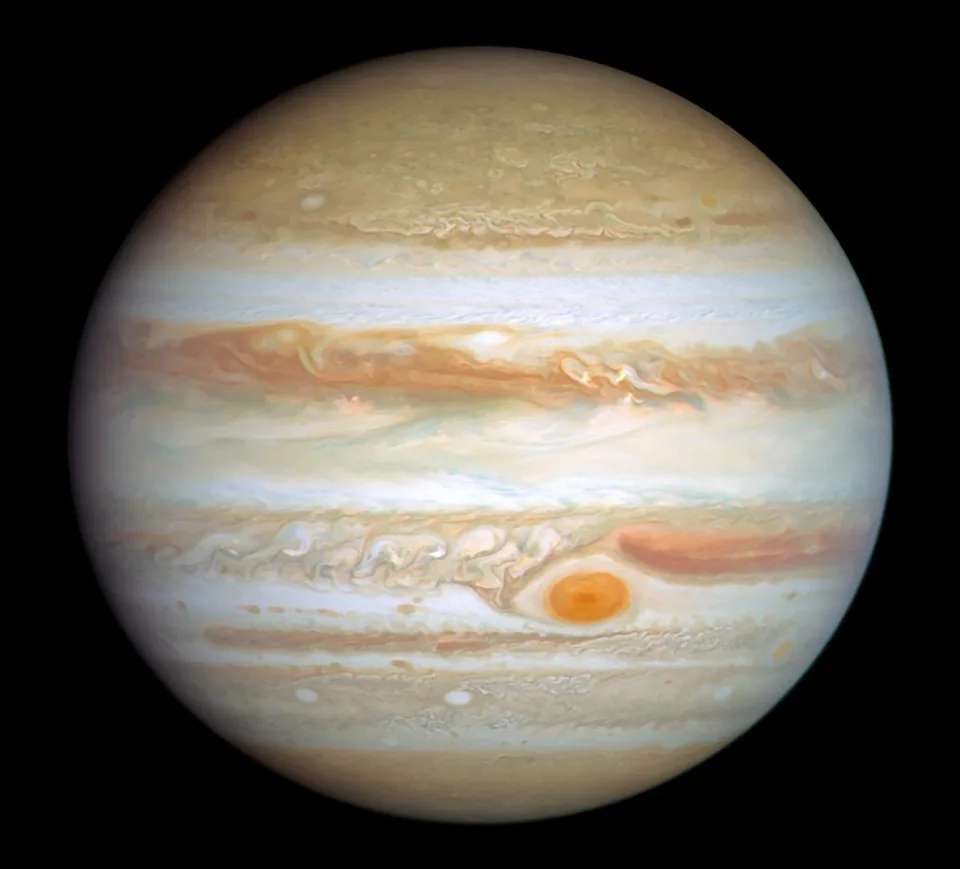
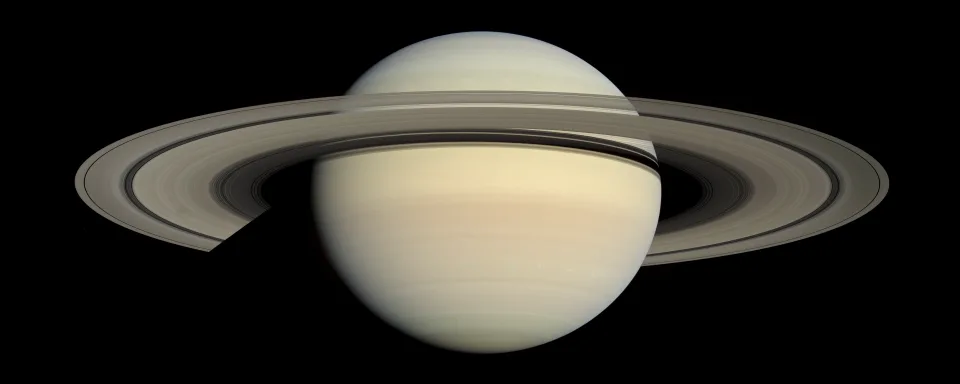
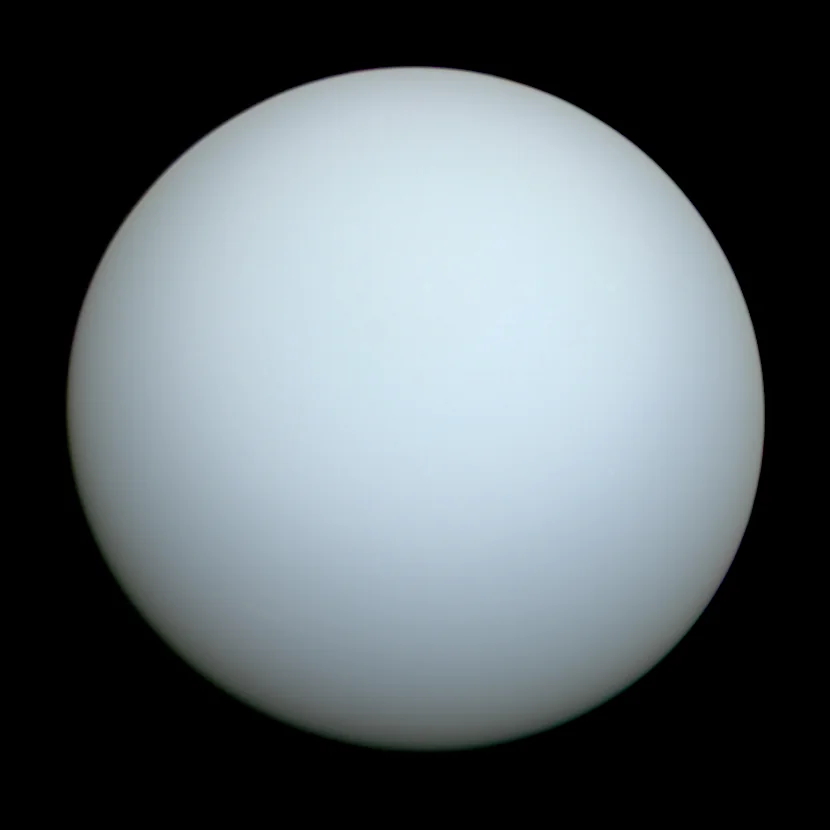
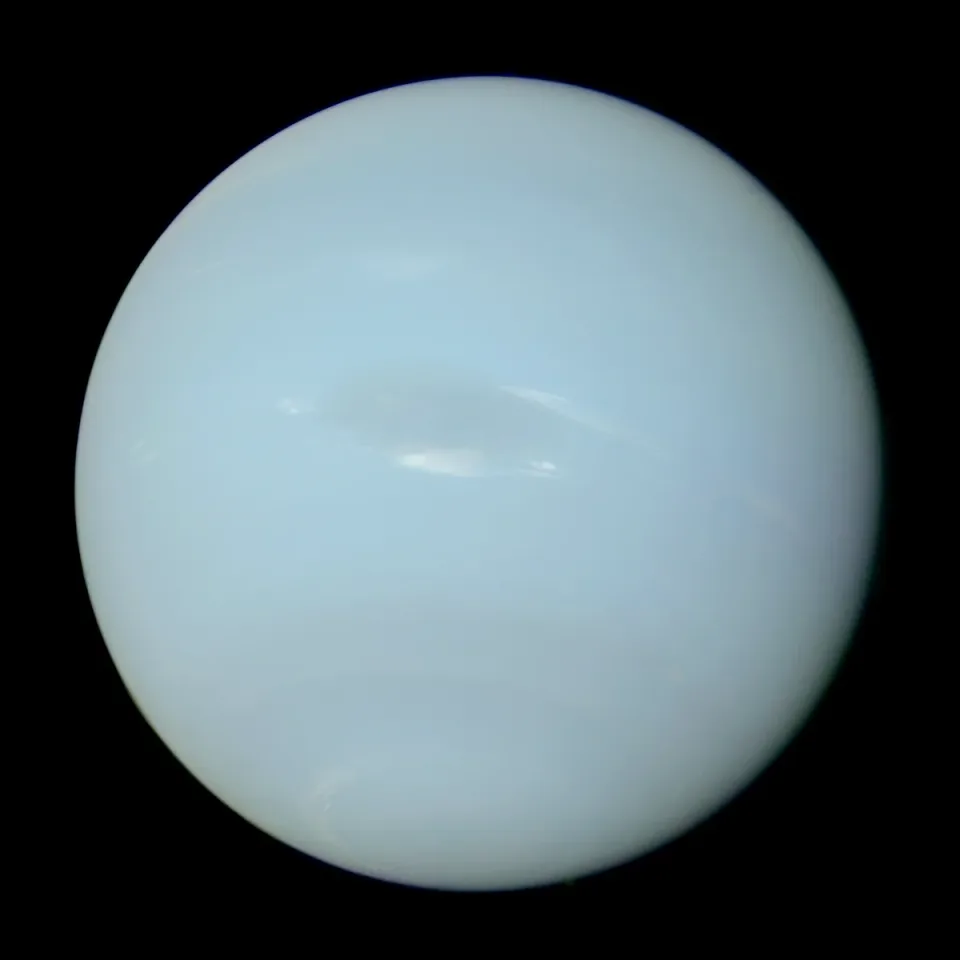
Every picture is a real one, taken by a spacecraft or a telescope. Nothing here is drawn.
How to play
- Type the name of any world on the board. The card turns over as soon as you spell the name.
- You do not have to press Enter, and you do not have to solve the cards in order.
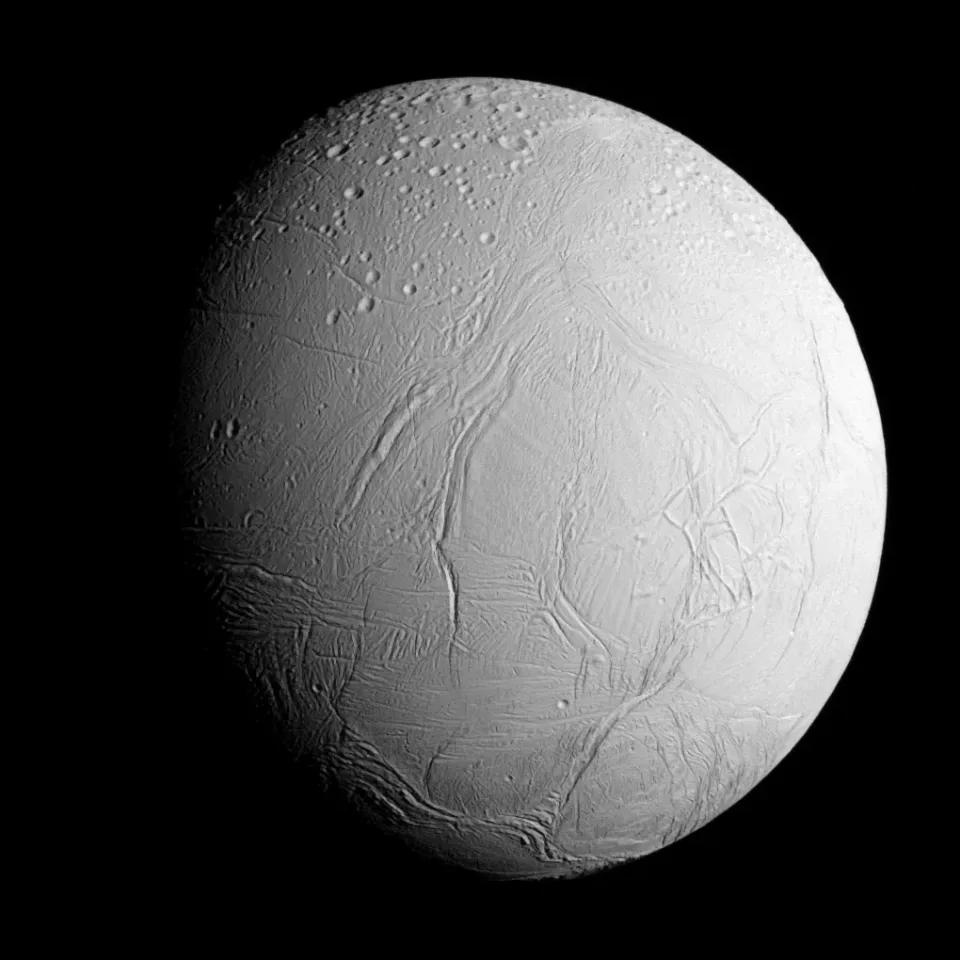
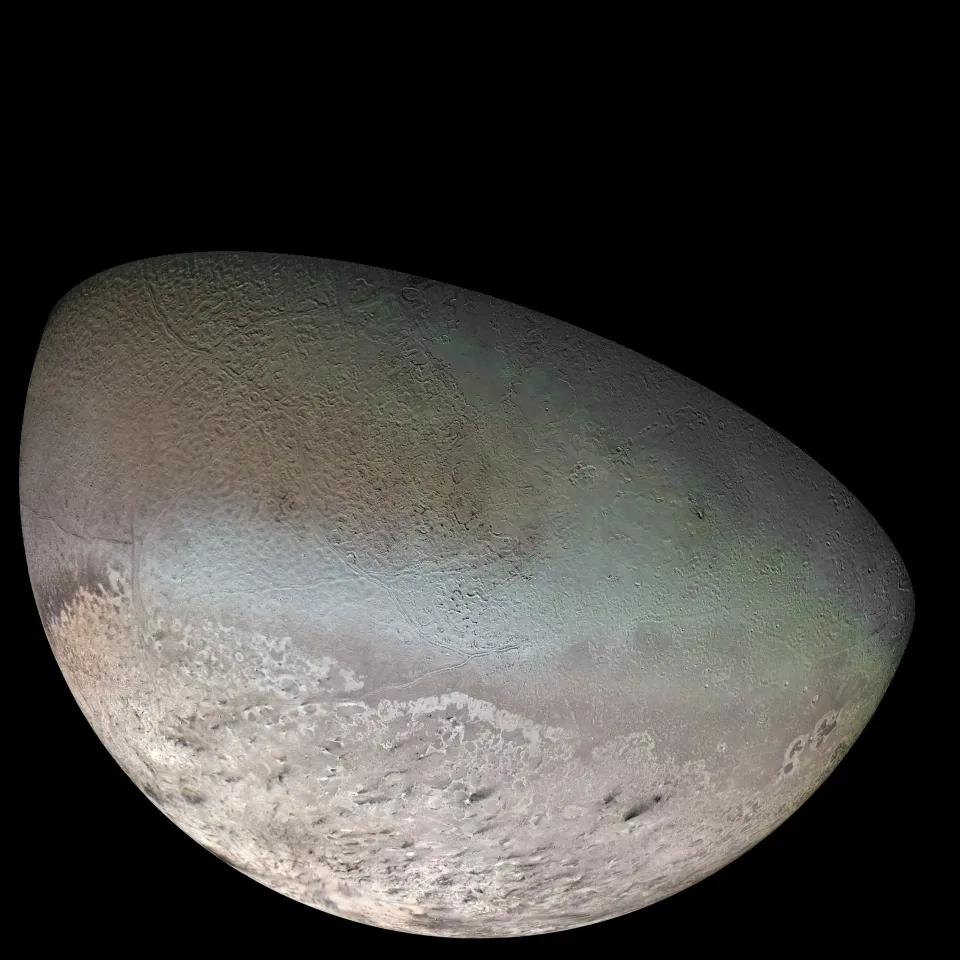
- Tap a card to see the picture full size. The detail is what separates one icy moon from the next.
- The timer counts up. Give Up ends the run and turns over every card you missed.
What counts in this quiz
- The eight planets: Mercury, Venus, Earth, Mars, Jupiter, Saturn, Uranus and Neptune.
- Two dwarf planets: Pluto and Ceres.
- Twelve moons, from our own Moon to Charon at Pluto.
- "Moon" and "Luna" both solve the card for the Moon of the Earth.
What's not included, and why
- Most moons are not in the quiz. The solar system has hundreds, and the quiz uses only the ones you can tell apart by sight.
- Rhea, Dione and Tethys are left out for that reason. They are grey cratered balls and look the same in a picture. You will find them in the Biggest Moons quiz, where the picture is the reward and not the question.
- The Sun is not a planet and is not in the quiz.
Good to know
- Ganymede is larger than the planet Mercury. Titan is too.
- Io has more than 400 active volcanoes, the most of any world in the solar system. That is why it is yellow.
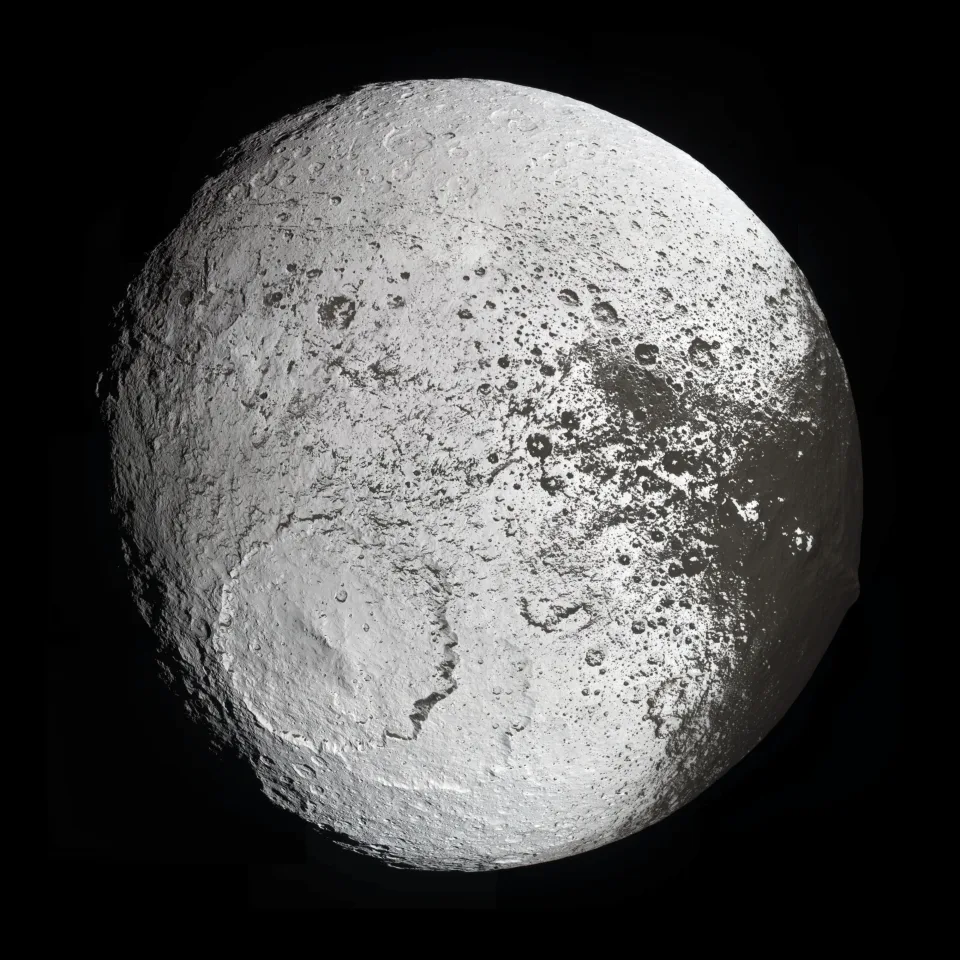
- One side of Iapetus is as dark as coal and the other is as bright as snow.
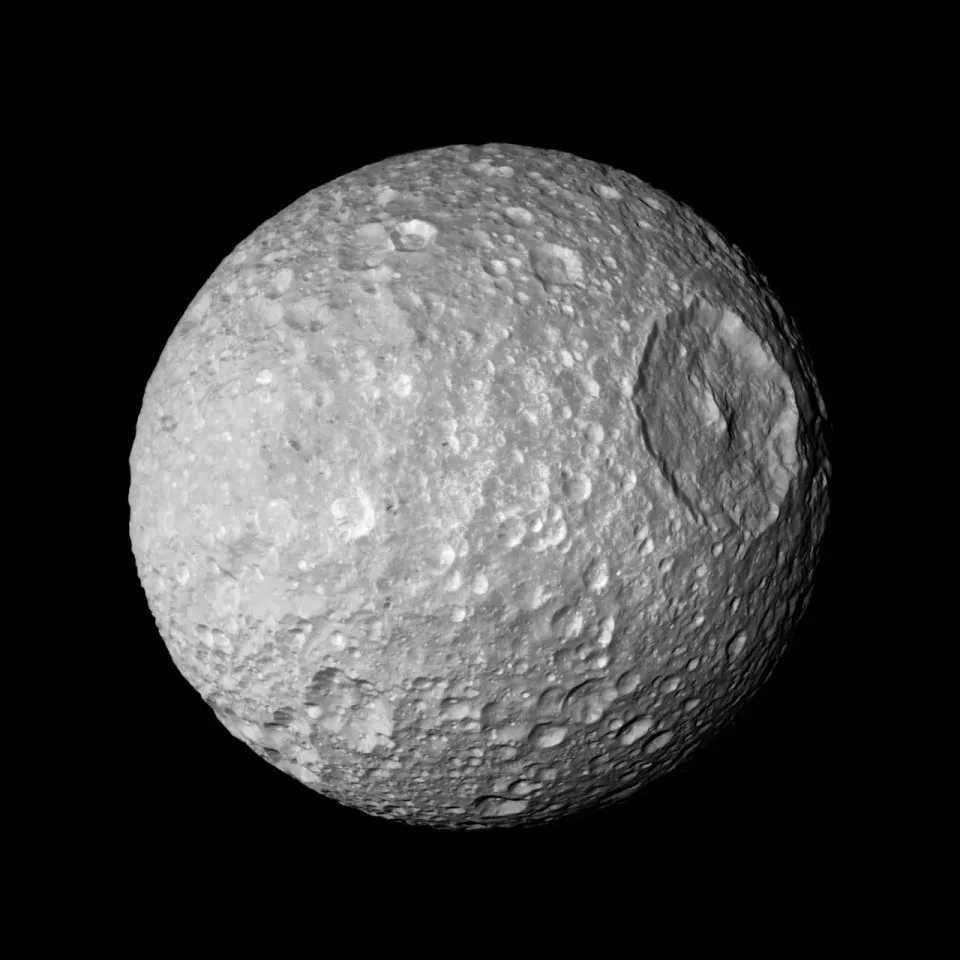
- Mimas has one crater so large that the moon looks like the Death Star. The impact nearly broke it apart.
- Uranus and Neptune are close in size, but Neptune is the deeper blue. Both colours come from methane in the air.